
Body wave vs loose wave
Body Wave vs Loose Wave: Which Texture Fits Your Look?
Body wave uses broad, even bends for a smoother outline. Loose wave breaks that rhythm into more relaxed, separated movement. The useful choice is the one whose pattern, volume, and finish match the look you actually want.
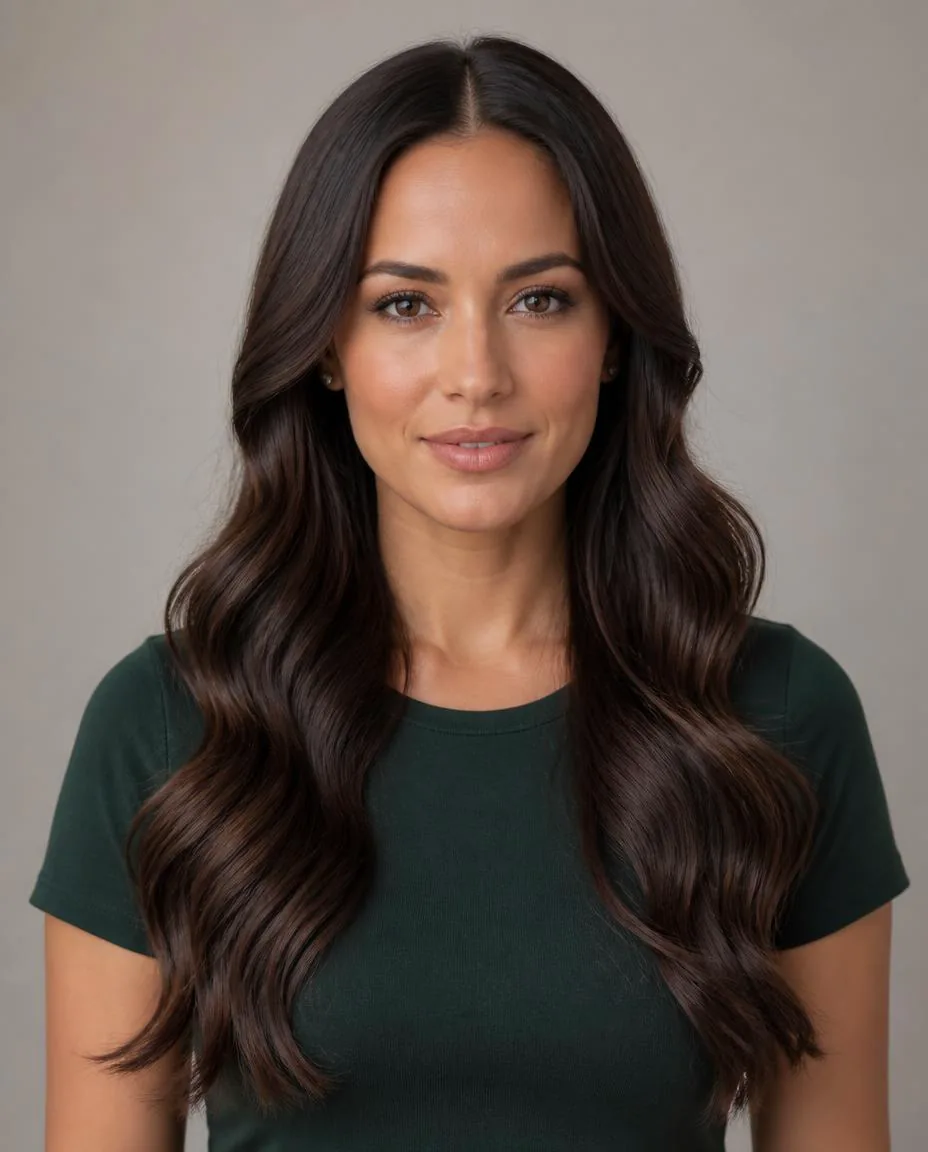
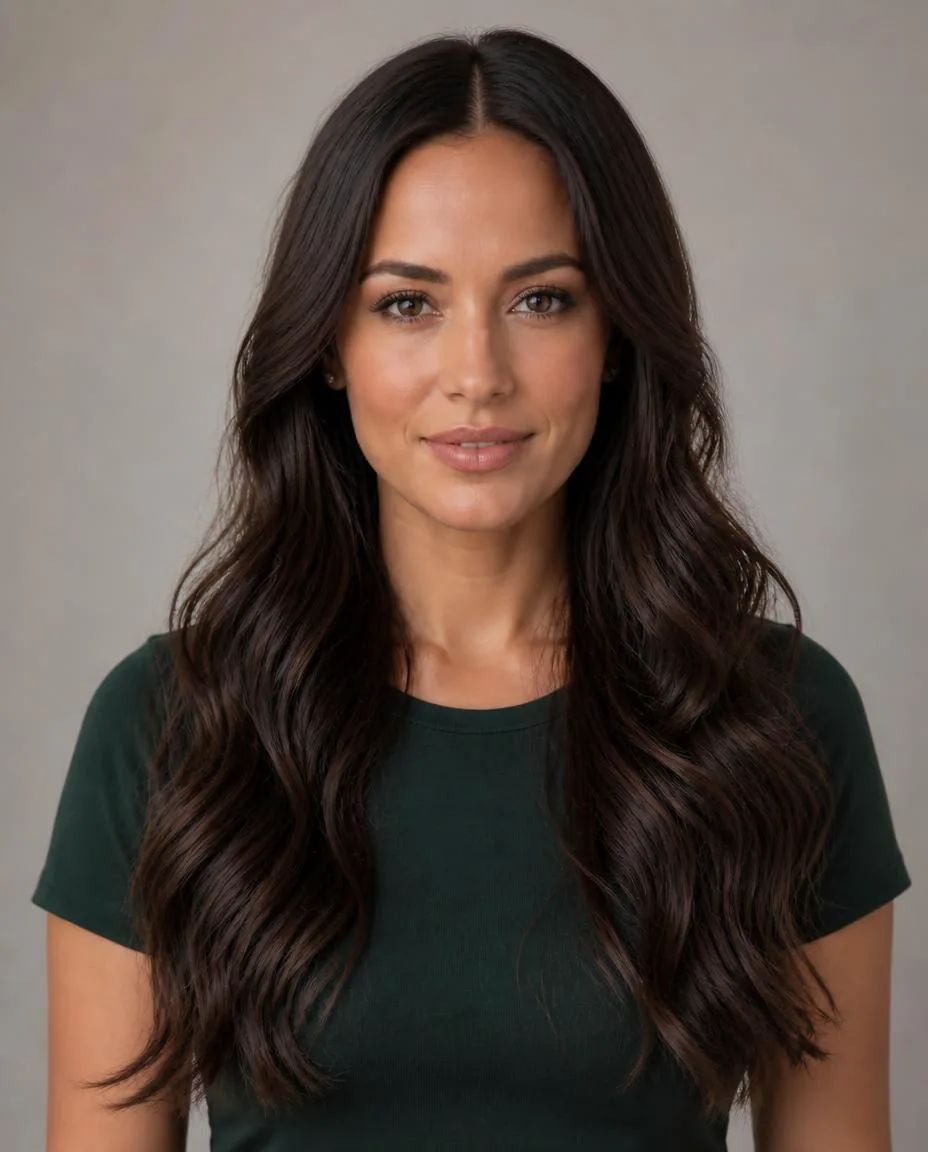
Body wave vs loose waveBody wave hairLoose wave hairWave texture comparison
5 min read
Quick answer
The practical difference
Body wave has broader, more regular S-shaped bends, so the hair reads as smooth and deliberately patterned. Loose wave has more separated, relaxed bends, so the outline feels airier and less uniform. Choose body wave when you want an even wave rhythm; choose loose wave when you want softer separation and a less structured finish.
- Body wave
- Broad, even bends and a smoother silhouette
- Loose wave
- Relaxed separation and a less uniform silhouette
- Best way to decide
- Compare both at the same length and color on one photo
The names are useful, but they are not universal specifications. A wig seller, extension brand, stylist, and image generator may use the same label for slightly different patterns. Look at the size and spacing of the bends rather than trusting the name alone.
See the Difference on the Same Person
Visual comparison
Body wave and loose wave side by side
The person, pose, color, length, clothing, and lighting stay consistent so the wave pattern is the meaningful change.
Body wave
The bends repeat at a broader, steadier interval, which gives the outside edge a controlled flow.
Try Body wave
Loose wave
The bends separate into softer sections, leaving more irregular space and movement through the lengths.
Try Loose wave
Reference photos often make this decision harder by changing the model, color, density, or length at the same time. One image may look fuller simply because it has more hair; another may look softer because the lighting is flatter. A matched comparison removes most of that noise.
Body Wave vs Loose Wave Comparison
Decision guide
Compare the variables that actually change
These are visual tendencies, not fixed manufacturing or salon standards.
| Decision point | Body wave | Loose wave | Check before choosing |
|---|---|---|---|
| Pattern | Broader bends with a steadier rhythm | More separated bends with an irregular rhythm | Look at the mid-lengths, not only the ends |
| Definition | Smooth and readable without closing into ringlets | Softer section-to-section definition | Check whether the pattern still reads at phone size |
| Volume | Often looks evenly distributed through the lengths | Can look airier where sections separate | Do not confuse density with wave type |
| Silhouette | A controlled flowing outer edge | A softer, less uniform outer edge | Compare both at the same length |
| Overall finish | More polished and deliberate | More relaxed and undone | Choose the finish you would wear most often |
| Visual consistency | The repeating pattern is easier to spot | Variation between sections is part of the look | Real results vary by fiber, hair, and styling |
The largest difference usually appears through the middle third of the hair. Body wave creates a continuous path from one bend to the next. Loose wave leaves more room between sections, so individual pieces are easier to see. At very short lengths, there may not be enough hair for either pattern to repeat clearly.
The Label Changes With the Context
Wig and extension texture
In wig and extension listings, body wave and loose wave usually describe the visible pattern supplied by the maker. The label does not verify fiber, density, construction, pattern consistency, or how the hair behaves after washing. Compare the seller's current photos, specifications, and care instructions rather than assuming every product with the same texture name will match.
WigTryAI can preview the style direction. It cannot tell you whether a physical wig fits, whether the lace is suitable, how much hair is installed, or how a particular bundle will move in person.
Styled natural hair
On natural hair, either look may be created temporarily with heat, rollers, braids, or another styling method. The outcome depends on starting texture, length, density, tools, technique, products, weather, and how long the style has been worn. A generated preview cannot predict hold or recreate an individual's natural pattern.
Body-wave perm
A salon body-wave perm is a chemical service, not another name for body-wave bundles or a virtual texture. The real result depends on hair condition, rod choice, sectioning, processing, and professional technique. Use a preview to discuss the broad visual direction, then ask a qualified stylist whether the service is appropriate for your hair.
How Length Changes the Choice
Long hair gives both patterns room to repeat. On body wave, that repetition creates a continuous vertical flow. On loose wave, the extra length allows separated sections to open and settle at different points. The difference becomes easier to see from the shoulders down.
At medium length, pay closer attention to where the first bend begins. A bend that starts beside the cheeks can add visible width there; one that begins below the jaw moves the emphasis lower. That placement matters more than a rule about which pattern belongs to a particular face shape.
Extra-long versions can make either style look fuller simply because there is more visible hair. Hold length, color, and apparent density steady when comparing the texture itself.
Choose Body Wave When You Want Structure
Body wave is the clearer starting point when you want a smooth, repeating pattern that remains easy to read from a distance. It works well as a reference direction when your priority is broad movement without the tighter grouping of curls or deep wave.
Watch the root area and the ends. A reference with very flat roots and heavily curled ends may not represent the even body-wave rhythm you meant. Decide whether you want the broad bends to begin near the face, below the jaw, or farther down the length.
Choose Loose Wave When You Want Separation
Loose wave makes more sense when you prefer visible variation between sections. The pattern can feel softer because the bends do not line up as evenly, but that does not mean it is automatically lower maintenance or more natural. Those outcomes depend on the actual hair or fiber and how it is handled.
Look for the amount of space between sections and the shape of the ends. Some references called loose wave are close to body wave; others are much curlier. Bring a visual example that shows the separation you want.
Compare Both Without Changing Everything Else
Start with a recent, front-facing portrait that includes the shoulders and upper chest. Keep the hair color, part, and endpoint consistent. Preview body wave first, then loose wave, and compare in this order:
- Pattern size through the mid-lengths.
- Where the first visible bend begins beside the face.
- How evenly volume is distributed.
- Whether the ends read as one flowing shape or separated sections.
- Which finish still feels useful for an ordinary day.
Do not change to blonde, add bangs, or move from medium to extra-long hair during the same test. Those differences can overpower the texture decision.
Put both wave patterns on one photo
Keep the color and length steady, then compare the rhythm, side volume, and ends before choosing a direction.
Upload your photoMaintenance Depends on the Actual Hair
Neither label guarantees an easier routine. A physical wig or extension set should be handled according to its fiber, construction, processing, and maker instructions. Styled natural hair depends on the technique used and the person's own texture. A salon perm requires advice specific to the service and hair condition.
Instead of choosing from a generic maintenance claim, ask practical questions. Will the pattern need to be reset after washing? What tools or products does the maker or stylist recommend? How does the pattern change when brushed, slept on, or exposed to humidity? Those answers come from the actual product or service, not from the texture name alone.
What a Preview Cannot Tell You
An AI preview can show a broad visual direction, but it cannot verify a product listing or predict a salon result. It cannot assess wig cap fit, lace, fiber, bundle density, shedding, tangling, heat tolerance, chemical suitability, natural wave hold, or how hair behaves after washing. Use the image to narrow the look, then verify the physical or technical details with the relevant seller or professional.
FAQ
What is the main difference between body wave and loose wave?
Body wave usually shows broader bends with a more regular rhythm. Loose wave usually separates into softer, less uniform sections. Because labels vary, compare the actual pattern shown rather than relying only on the name.
Is loose wave curlier than body wave?
It can look more separated or more defined, but "curlier" is not consistent across sellers and stylists. Check the size of the bends and whether they close toward ringlets in the specific reference you are using.
Which has more volume, body wave or loose wave?
Either can look fuller depending on density, length, layering, styling, and the amount of separation between sections. Compare examples with similar length and apparent density before attributing the difference to the wave label.
Is body wave easier to maintain than loose wave?
Not automatically. Maintenance depends on whether the look is a wig, extensions, temporarily styled natural hair, or a chemical service, plus the material and method involved. Follow the relevant maker or stylist guidance.
Is a body-wave perm the same as body-wave hair?
No. A body-wave perm is a chemical salon service performed on natural hair. "Body wave hair" in a wig or extension listing describes a supplied texture, while an AI preview shows only the visual direction.
Which wave pattern is better for my face shape?
Neither pattern belongs to one face shape. Check where the first bend begins, where side volume sits, and where the ends fall relative to your jaw and shoulders. Those placements are more useful than a universal face-shape rule.
Can I preview body wave and loose wave on my own photo?
Yes. Use the same portrait, color, part, and length for both previews. A matched comparison helps you judge pattern and silhouette, although it cannot predict a physical wig, extension, perm, or styling result.