Hairstyles for a heart-shaped face
Top 10 Hairstyles for Heart-Shaped Faces to Try Online
Heart-shaped faces are defined by the contrast between a wider upper face and a narrow chin. The core strategy is to add visual weight at the lower face — chin, jaw, and shoulder level — while softening the forehead. Compare the top directions on your own photo before choosing.
Hairstyles for heart shaped faceHeart face womenFace framingHairstyle ranking
5 min read
Quick answer
Start with three different shapes
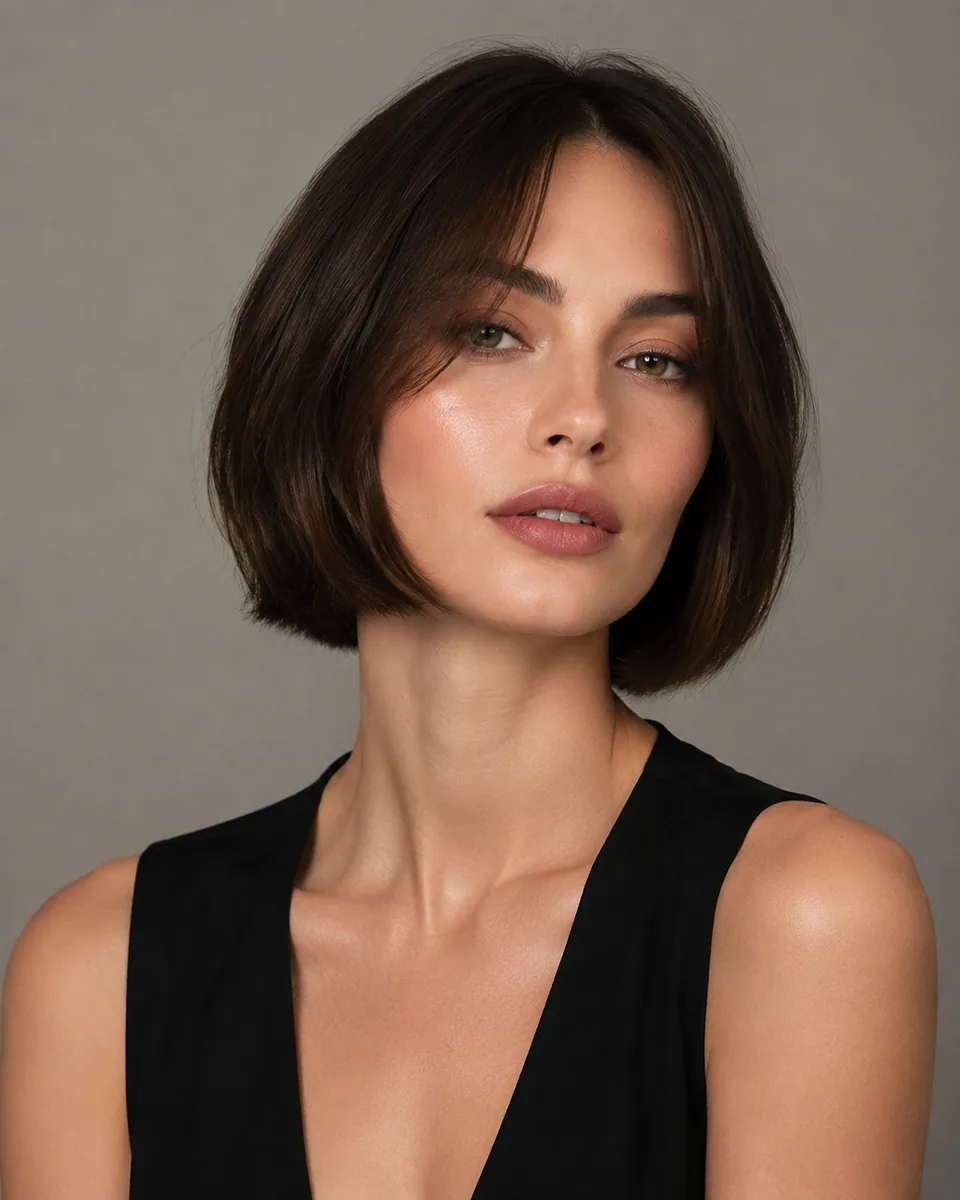
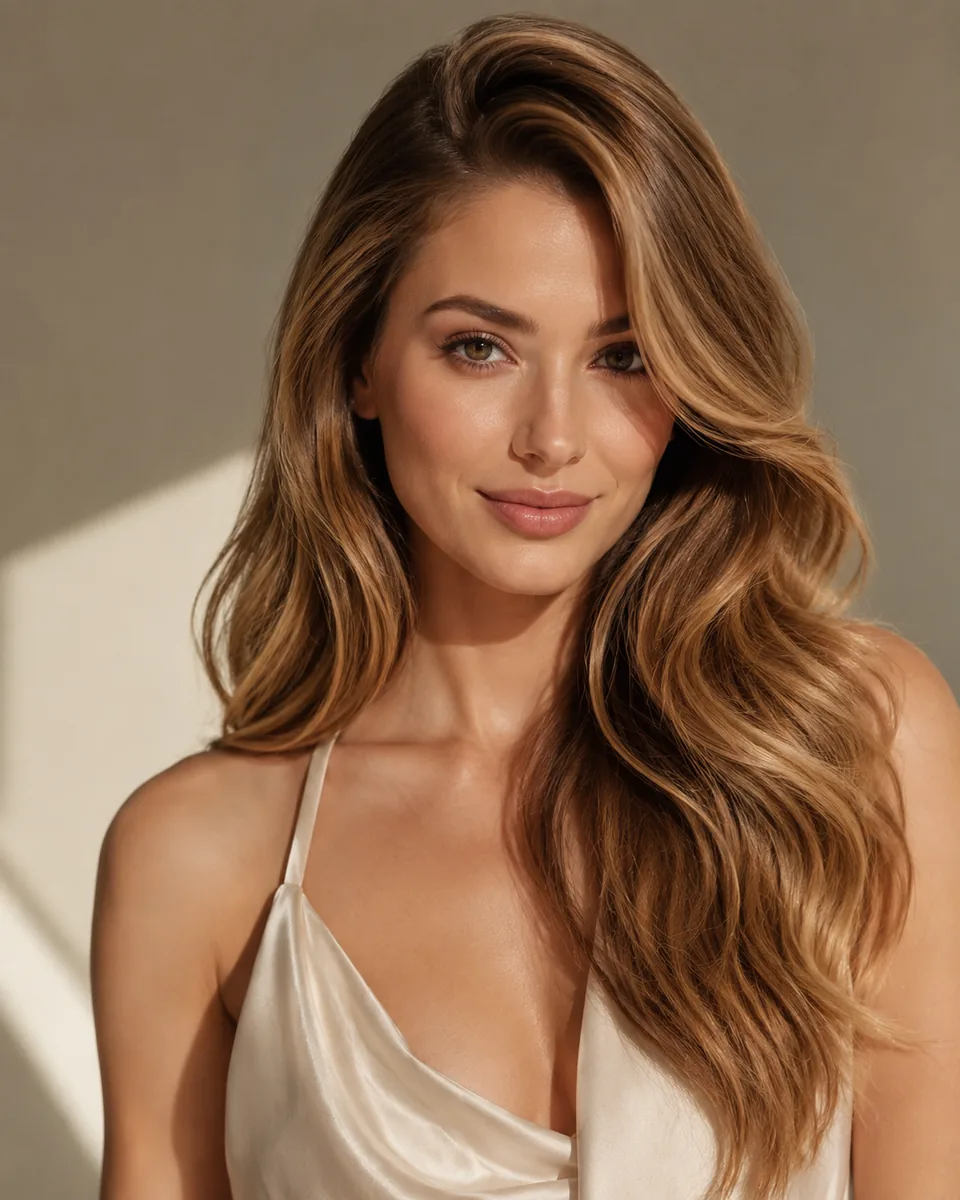
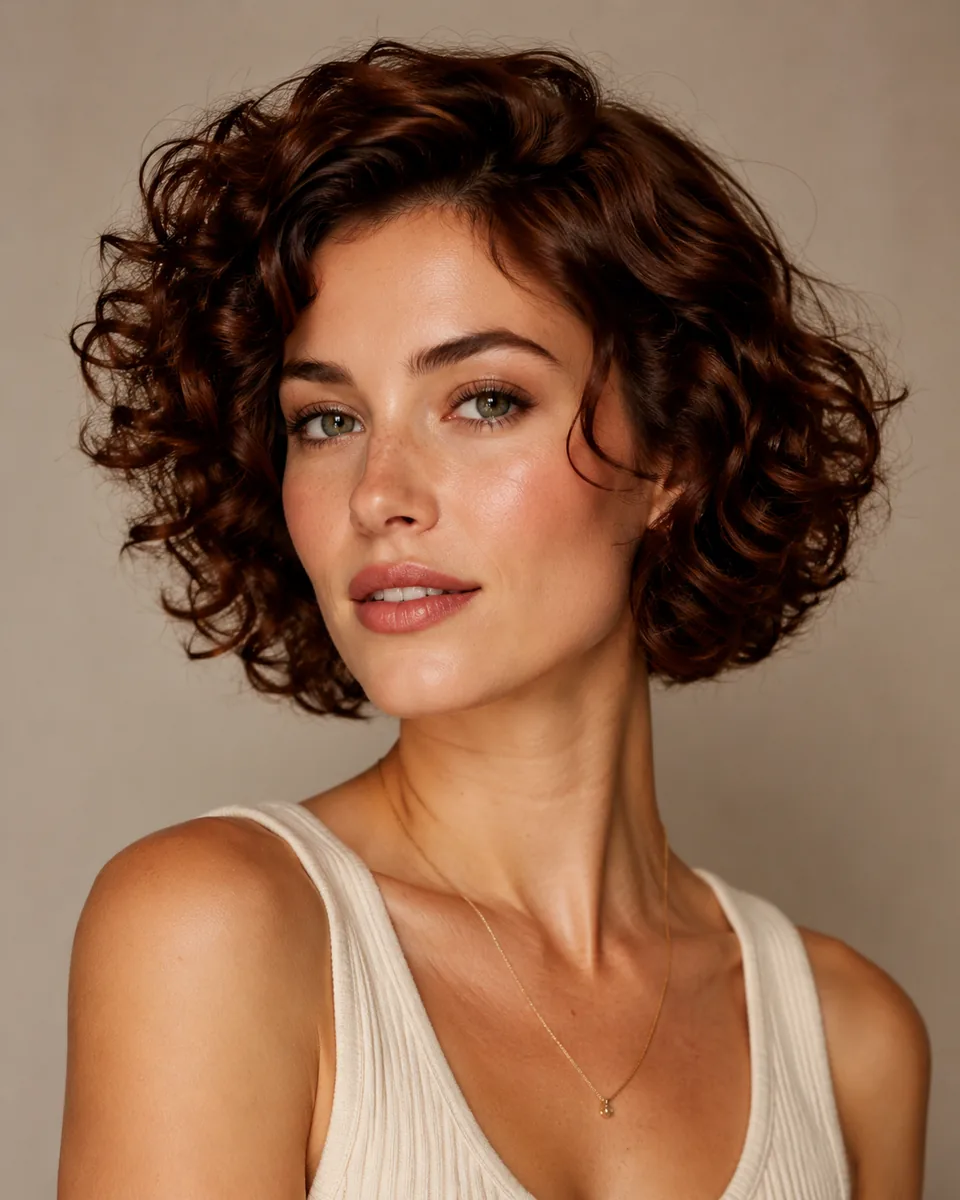
Compare a chin-length blunt bob for a clean lower-face line, side-parted loose waves if you want to keep length, and a curly bob with side volume for a softer, fuller frame. Keep one selfie and one color across the comparison so you can see whether the width is landing at the chin, jaw, or shoulders.
- Most reliable test
- Chin-length blunt bob
- Long-hair test
- Side-parted loose waves
- Soft-volume test
- Curly bob with side volume
A heart-shaped face has a wider forehead and cheekbone area that narrows to a pointed or delicate chin. No style is forbidden — the useful question is where the hair adds visual weight. Styles that add fullness at the chin, jaw, or shoulder level balance the wider upper face; styles that add height at the crown or widen the temple area work against it.
Read the Proportion Before You Pick
The heart face is defined by the contrast between the upper and lower thirds, so the hairstyle's job is to balance that contrast. Three variables do the work:
- Where the width lands. Volume at chin or jaw level balances a wide forehead; volume at the crown or temples repeats it.
- How the forehead is treated. Side parts, curtain bangs, and wispy fringe break up forehead width; heavy straight-across bangs and center parts emphasize it.
- Where the ends stop. An endpoint at the chin, jaw, or shoulders creates a wider lower silhouette; an endpoint at the ears or above leaves the triangle exposed.
These are the three checks to use on every preview in this list.
The Ten Looks
Ranked shortlist
Ten shapes worth comparing
This order favors clear, varied comparison points rather than popularity data or a universal beauty rule. Every item uses its own reference image and try-on entry.
Look 1
Chin-Length Blunt Bob
The most reliable heart-face option because the blunt endpoint adds width exactly where the face narrows.
- Best for
- Heart-shaped faces, wide foreheads, pointed chins.
- Why it works
- Why: a blunt bob that hits at chin level adds visual width at the narrowest point, balancing the wider forehead and triangular chin.
Possible issue: bobs ending above the chin or below the jaw miss the width-adding sweet spot, and heavy straight-across bangs add forehead width.
Try this look
Look 2
Side-Parted Loose Waves
The most reliable long-hair approach: a diagonal part narrows the forehead and chin-level waves fill the lower face.
- Best for
- Heart faces wanting to keep long hair with balanced proportions.
- Why it works
- Why: the deep side part sweeps across the forehead, narrowing it optically, while loose waves starting at chin level add fullness where the face is narrow.
Possible issue: center parts with long straight hair create vertical lines that emphasize the triangular shape, and heavy crown volume widens the upper face.
Try this look
Look 3
Curly Bob with Side Volume
A soft, rounded short option where curl volume distributes around the chin and jaw.
- Best for
- Heart faces with natural curl who want a short, balancing style.
- Why it works
- Why: curly texture at bob length creates a rounded shape whose widest point falls around the chin and jaw — exactly where heart faces need the most visual weight.
Possible issue: triangle-shaped curly cuts narrow at the top and widen at the bottom can over-correct, and heavy products can flatten the side volume.
Try this look
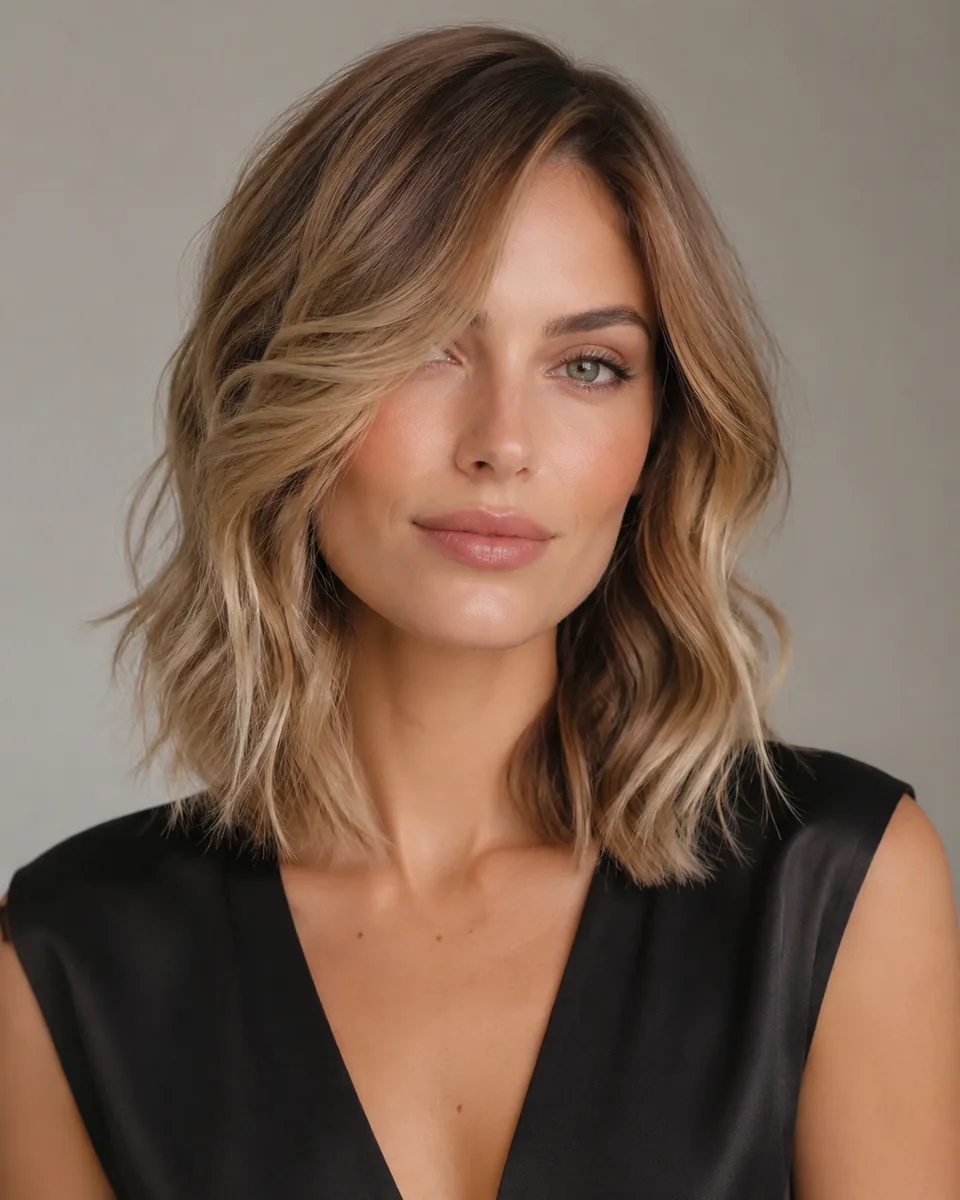
Look 4
Wavy Lob with Layered Ends
The popular lob length done safely: layered, textured ends widen the lower silhouette instead of reading triangular.
- Best for
- Heart faces wanting the popular lob length without the triangular pitfall.
- Why it works
- Why: the collarbone endpoint sits below the chin, so the widening comes from layered ends that flare outward at shoulder level.
Possible issue: a one-length lob with blunt ends emphasizes the triangular shape, and heavy layering at the crown adds upper-face width.
Try this look
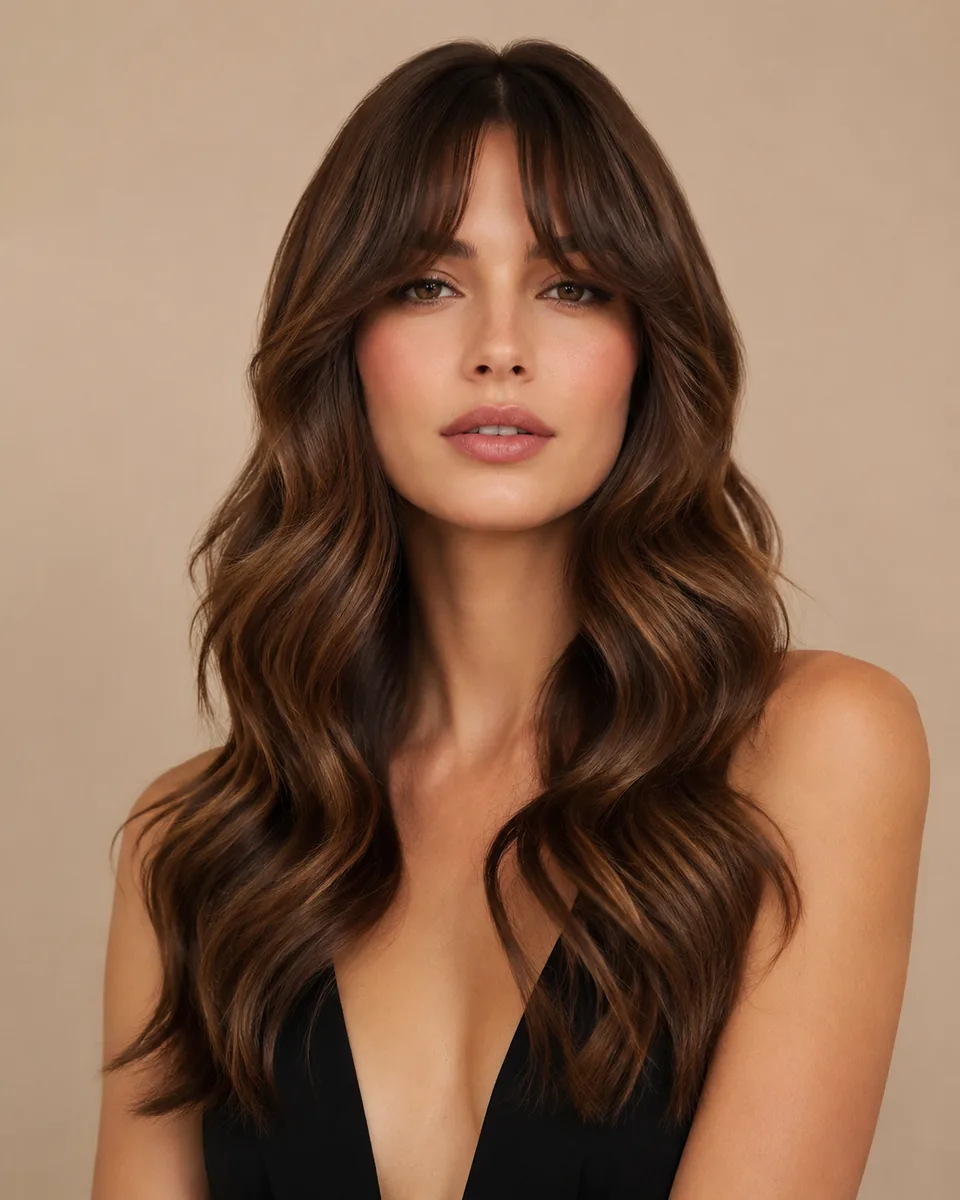
Look 5
Body Wave with Curtain Bangs
Curtain bangs narrow the forehead while body wave adds gentle volume at chin level — one style doing both jobs.
- Best for
- Heart faces wanting long, elegant hair with forehead coverage.
- Why it works
- Why: curtain bangs break the forehead into smaller optical segments, while body wave volume around the chin balances the lower face.
Possible issue: curtain bangs cut above the eyebrow lose the diagonal sweep, and a center part without bangs exposes the full forehead width.
Try this look
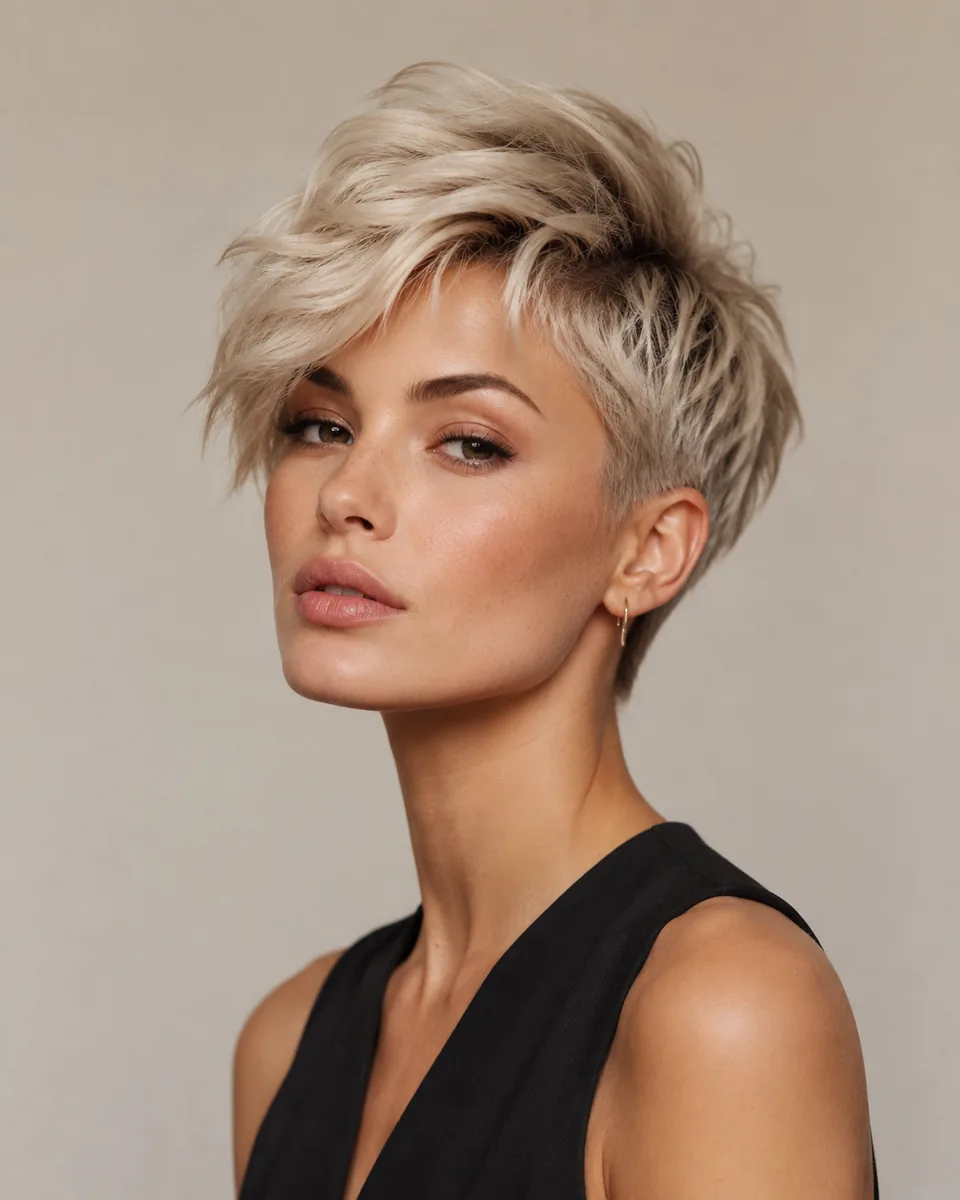
Look 6
Textured Pixie with Volume at Crown
The bold short option — it works only when textured sides balance the crown volume.
- Best for
- Heart faces with delicate features wanting a bold short style.
- Why it works
- Why: crown volume draws the eye upward while textured sides add width at ear level, a trade-off that reads balanced rather than triangular.
Possible issue: a super-short even pixie with no side texture exposes the full forehead and temples, and excessive crown height makes the face top-heavy.
Try this look
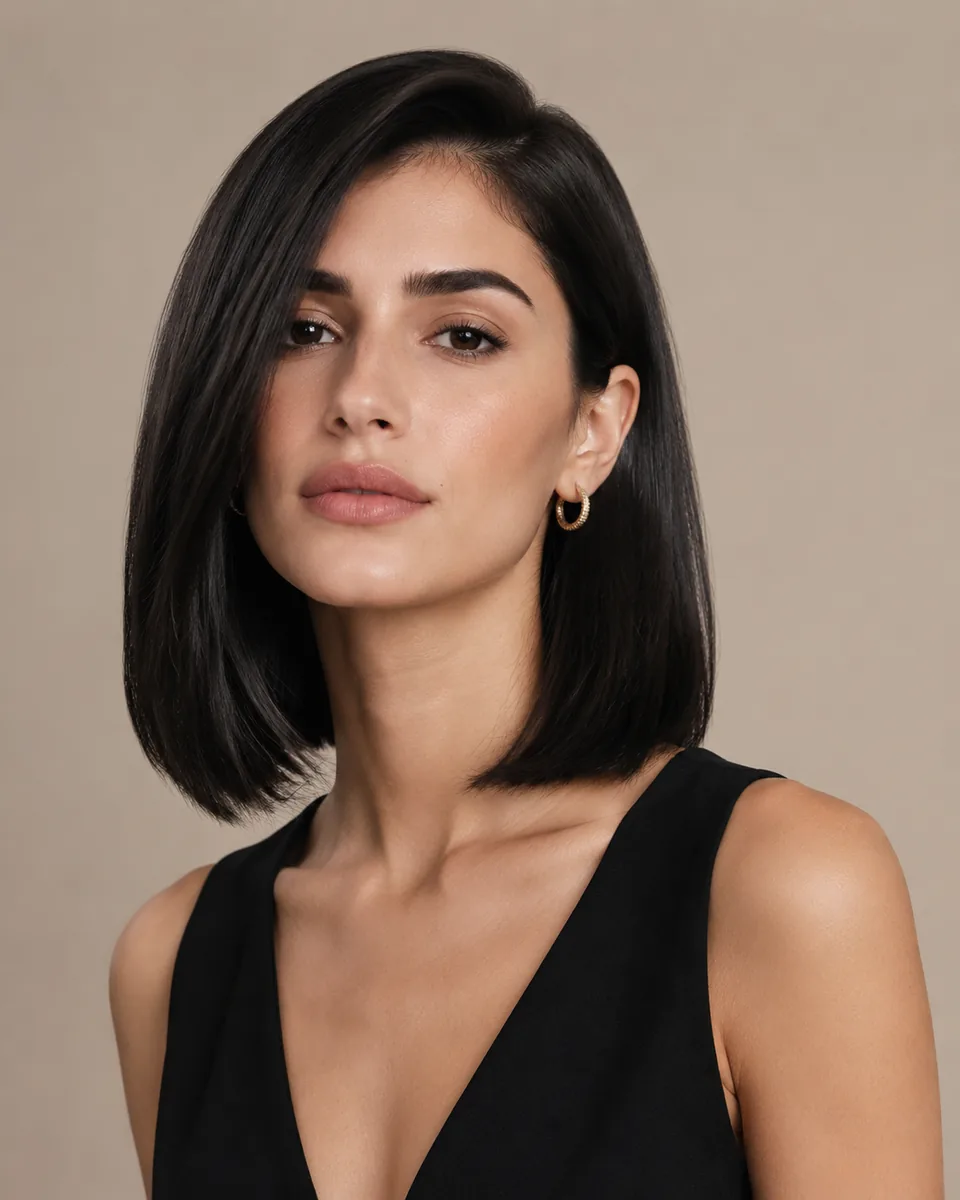
Look 7
Straight Lob with Deep Side Part
Minimalist geometry: the diagonal part narrows the forehead and the collarbone length adds lower width.
- Best for
- Heart faces that prefer straight hair with a polished, sleek finish.
- Why it works
- Why: the deep side part introduces a strong diagonal that breaks the vertical frame, while the shoulder-grazing length adds width at the bottom.
Possible issue: a center part with straight hair is the worst combination for heart faces, and over-flat-ironing removes the body needed at the ends.
Try this look
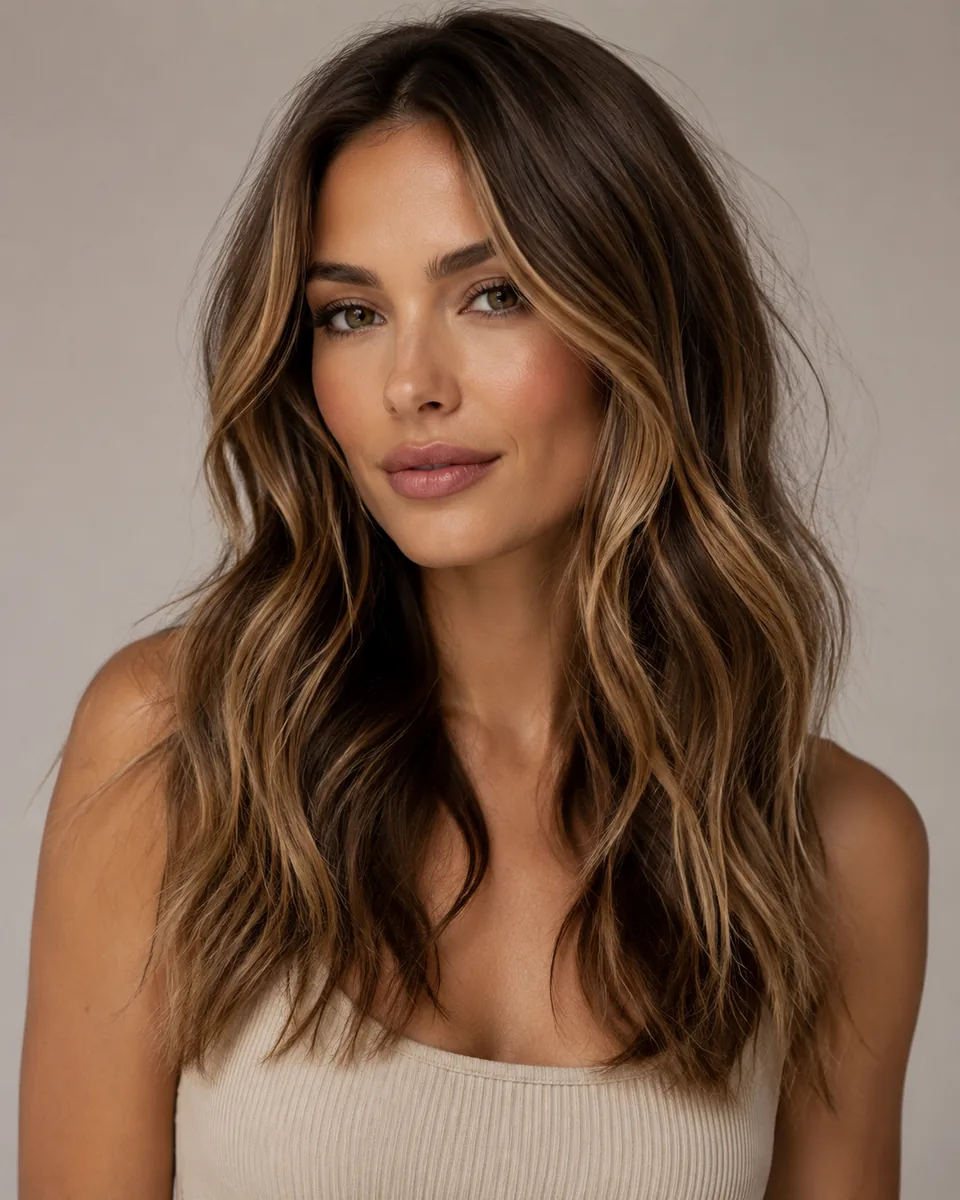
Look 8
Beachy Waves with Face-Framing Highlights
A color-led approach: brightness around the chin and jaw draws the eye to the lower face.
- Best for
- Heart faces wanting a casual, sun-kissed look with soft dimension.
- Why it works
- Why: lighter areas read larger, so face-framing highlights around the chin and jaw create the illusion of fullness where the face is narrow.
Possible issue: uniform all-over color removes the strategic highlighting effect, and bright highlights at the crown add width to the upper face.
Try this look
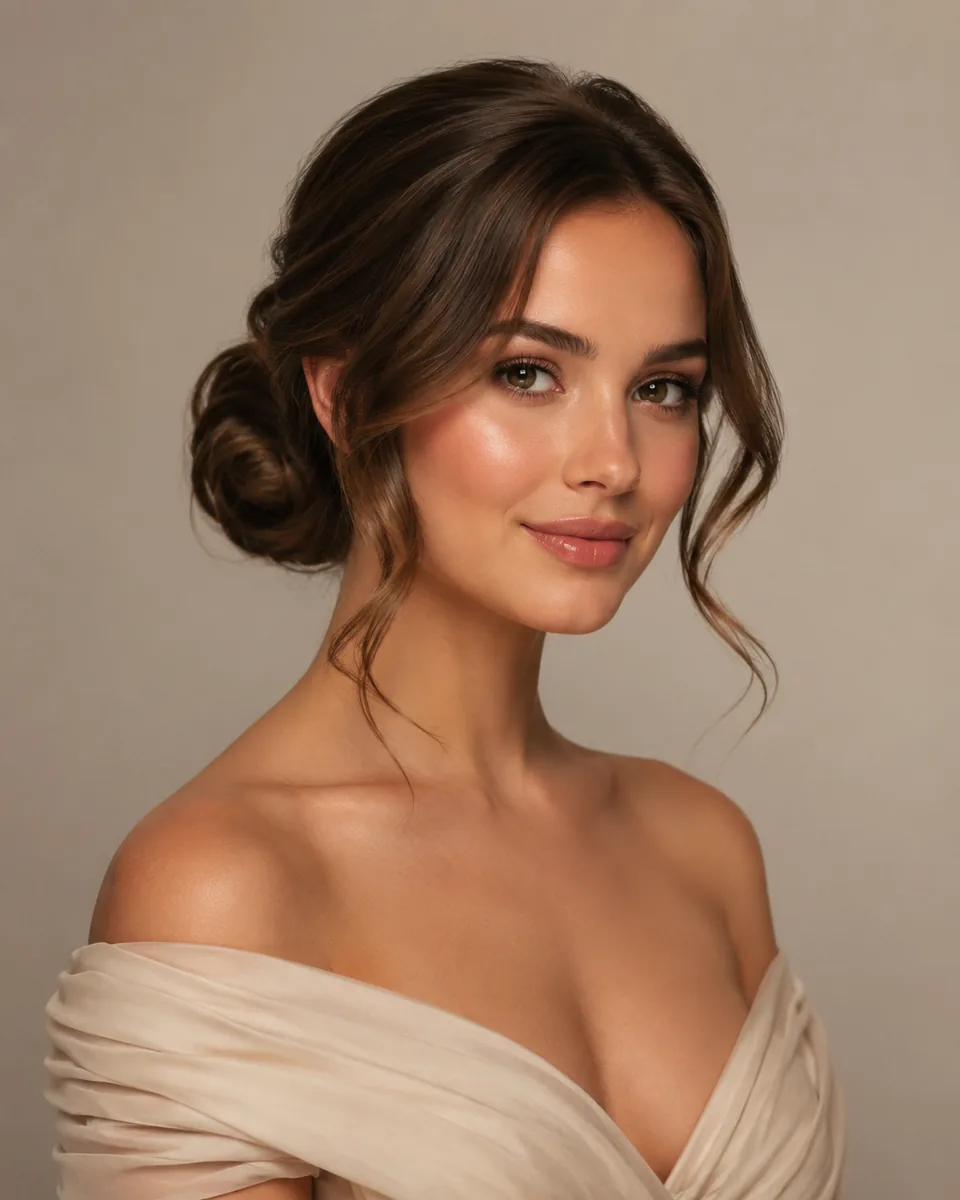
Look 9
Low Side Bun with Face-Framing Tendrils
The most flattering updo: weight sits at the lower side of the head, not the crown.
- Best for
- Heart faces looking for an elegant updo option.
- Why it works
- Why: a low side bun places visual mass at the lower side of the head and face-framing tendrils soften the forehead-to-cheek transition.
Possible issue: high top-knots and high ponytails add crown height that emphasizes forehead width, and pulling everything back leaves the triangle exposed.
Try this look
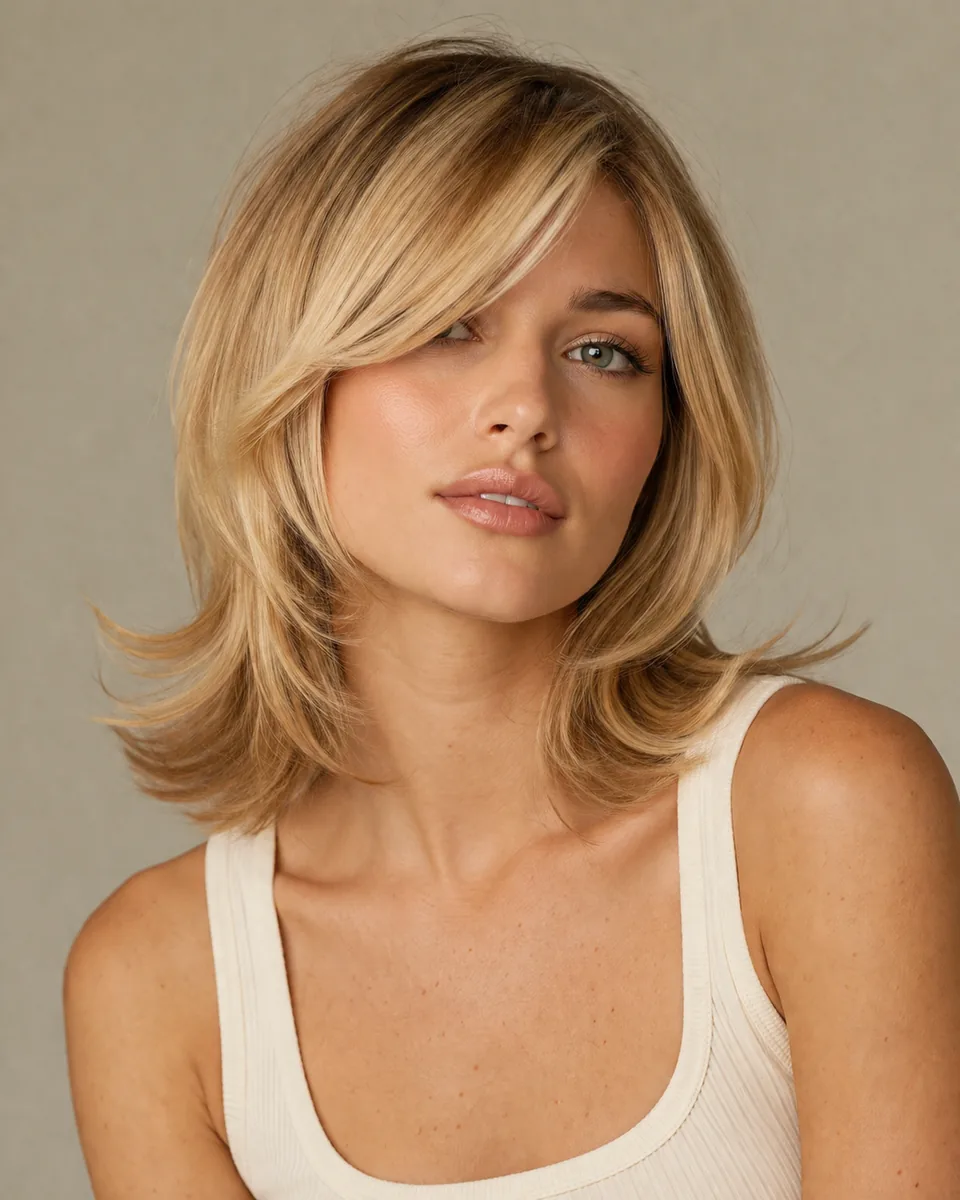
Look 10
Layered Medium Cut with Flipped Ends
The playful option: flipped ends at jaw level create the widest lower-face silhouette.
- Best for
- Heart faces wanting a playful, retro-inspired style.
- Why it works
- Why: outward-flipped ends at the jaw and shoulder extend the endpoint width, powerfully counterbalancing the wider forehead.
Possible issue: flips above jaw level add width in the wrong place, and flipping every layer can look dated.
Try this look
How to Choose
Heart faces benefit most from styles that add volume and width at the chin, jaw, and shoulder area. The chin-length bob is the most consistently flattering because its endpoint does the balancing by itself. Each of the other options offers a different route to the same proportional goal:
- Keep long hair? Side-parted loose waves or body wave with curtain bangs.
- Prefer short? Chin-length blunt bob or a textured pixie — preview both before committing.
- Like medium length? Wavy lob with layered ends or a straight lob with a deep side part.
- Need an updo? Low side bun with face-framing tendrils.
- Want color to do the work? Beachy waves with face-framing highlights.
What to Ask a Stylist
When discussing the cut, ask for: volume and fullness concentrated at the chin and jaw level; styles that minimize or break up forehead width (side parts, curtain bangs, or wispy fringe); and no heavy volume at the crown or temples.
Compare the Shortlist on Your Photo
- Use a front-facing portrait that shows the hairline, both sides of the face, shoulders, and upper chest.
- Begin with the chin-length blunt bob, side-parted loose waves, and a curly bob in the same color.
- Compare where each style adds width: chin, jaw, or shoulder level.
- Check how the forehead reads with each part — side part, curtain bangs, or center.
- Compare the endpoint and how much of the upper body the hair covers.
- Keep color and part steady while you test two or three directions.
- Save two favorites and use Compare Hairstyles to review them together.
FAQ
What is the best hairstyle for a heart-shaped face?
A chin-length blunt bob consistently flatters heart-shaped faces by adding visual width at the narrow chin area. Side-parted loose waves and curly bobs are also strong options.
Should heart-shaped faces avoid bangs?
Not necessarily. Wispy, side-swept, or curtain bangs help narrow a wide forehead. Heavy straight-across blunt bangs are the ones to avoid, since they emphasize forehead width.
Can heart-shaped faces wear long hair?
Yes, with strategic styling. Deep side parts, chin-level waves, and face-framing highlights balance long hair on heart faces by adding visual width to the lower face.
What is a heart-shaped face?
A heart-shaped face has a wider forehead and cheekbone area that narrows to a pointed or delicate chin, similar to an inverted triangle.
Can I try these styles on my photo?
Yes. Use WigTryAI to upload a selfie and preview each of these recommended styles on your own face before choosing.
How many of these looks should I compare at once?
Two or three is enough. Compare the chin-length bob with a long option and a curly option so the endpoint, part, and volume placement are each tested once.