Hairstyles for an oval face
Best Hairstyles for Oval Faces: 10 Cuts to Try on Your Photo
Soft long layers, classic bobs, textured lobs, curtain bangs, pixie cuts, shoulder-length waves and face-framing layers are useful starting points for oval faces. Choose by length, natural texture, upkeep and the face frame you prefer, then preview a shortlist on your photo.

Hairstyles for oval faceOval face womenFace framingHairstyle ranking
8 min read
Quick answer
Which hairstyles are best for oval faces?
Good starting hairstyles for oval faces include soft long layers, classic bobs, textured lobs, curtain bangs, pixie cuts, shoulder-length waves and face-framing layers. Oval faces are often described as having balanced proportions, so the most useful choice usually depends on hair length, texture, maintenance and the look you want rather than correcting the face shape.
- Short
- Classic bob or pixie cut
- Medium
- Textured lob or shoulder-length waves
- Long
- Soft long layers or face-framing layers
More than one oval-face hairstyle can work
If the options feel too broad, use one selfie to get four hairstyle suggestions with face-framing reasons. Treat them as a starting shortlist, then compare endpoint, part and texture rather than looking for one perfect cut.
Find My Best HairstyleAn oval face is often described as longer than it is wide with a softly rounded outline, but that label does not make every cut equally useful. Choose the finish you want to compare, then account for natural texture, density, fringe behavior and the time you are willing to spend styling.
How to Choose Hairstyles for an Oval Face
Compare the effect of the hairstyle rather than treating an oval face as a promise that anything will work:
- Movement: waves, curls and face-framing layers change where the outline expands.
- A clean perimeter: a classic bob or straighter length makes the endpoint easier to see.
- An open frame: a pixie exposes more of the ears, jaw and neck.
- Your routine: a finish is lower effort only when it fits your natural texture, growth pattern and styling habits.
Pick one goal, then compare two distinct directions that address it.
Does Your Outline Read as Oval?
An oval outline is commonly described as longer than it is wide, with a gradual curve from the forehead through the cheeks toward the jaw. A selfie can suggest those relationships, but camera angle and hair covering the sides can change the reading. You do not need a precise label to compare haircuts.
Look at a front-facing photo with the hairline and jaw visible, then read how to recognize face-shape cues if the label is uncertain. If the outline feels distinctly elongated, the long-face guide offers another set of framing comparisons. Keep the hairstyle goal separate from deciding on a category.
Best Hairstyles for Oval Faces by Hair Length
Start with the length you want to keep or explore. Bangs are a framing choice that can work across lengths, rather than a separate haircut length.
| Length or framing | Best starting styles | What to compare |
|---|---|---|
| Short | Pixie Cut, Classic Bob | An open outline around the ears and jaw versus a more defined perimeter. |
| Medium | Textured Lob, Shoulder-Length Waves | Movement beside the cheeks and jaw without relying on extra length. |
| Long | Soft Long Layers, Face-Framing Layers | Keep length while adding shape around the cheeks, jaw and ends. |
| With Bangs | Curtain Bangs | A softer forehead frame with an opening through the center. |
Top 10 Hairstyles for Oval Faces
Ranked shortlist
Ten oval-face looks to try on your photo
This order favors clear, varied comparison points rather than popularity data or a universal beauty rule. Every item uses its own reference image and try-on entry.
Look 1
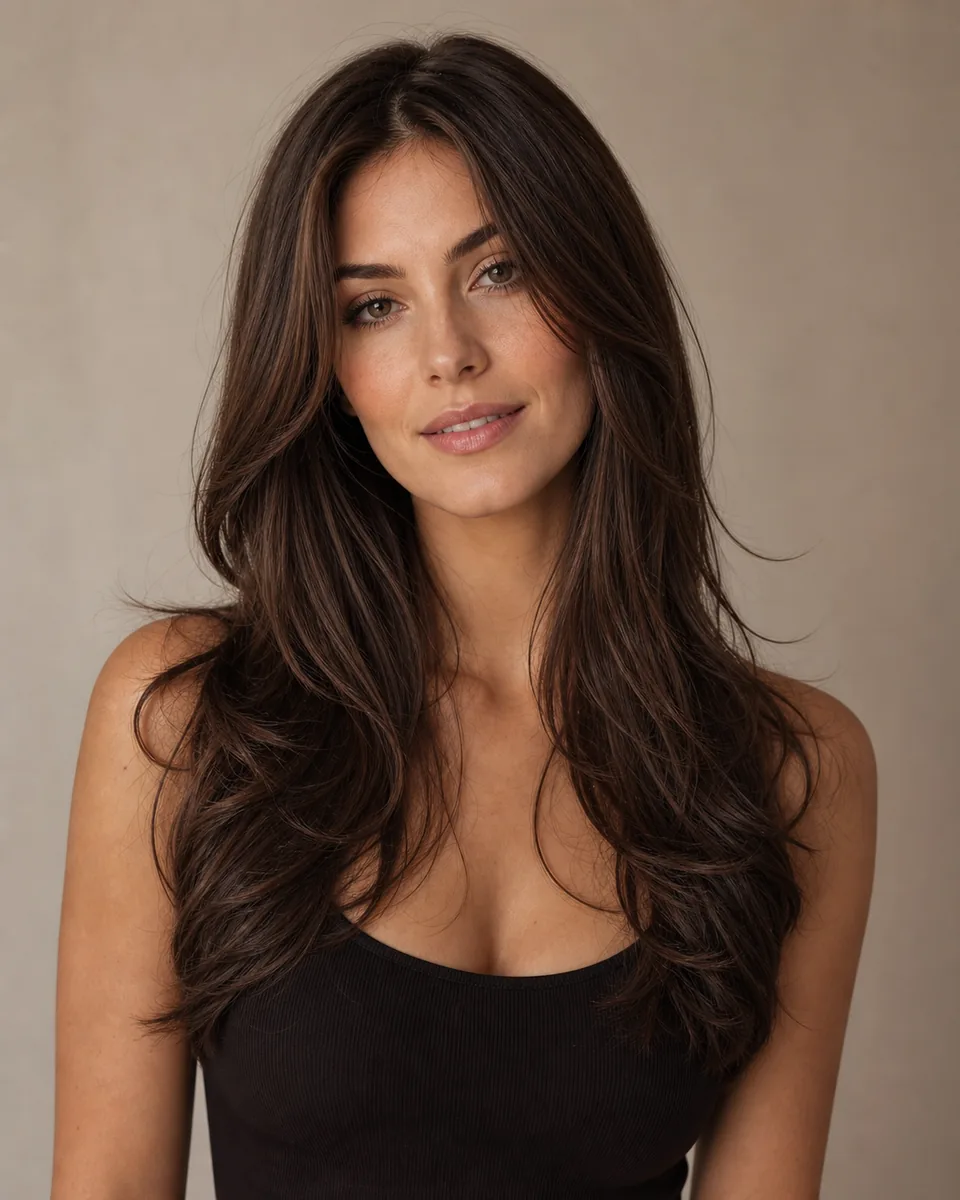
Soft Long Layers
A movement-forward starting point that changes the outline without losing length.
- Best for
- Oval faces that want movement without losing length.
- Why it works
- Why: long layers keep the face open while adding shape through the ends.
Possible issue: visible shape is the point of this style, so skip it if you want the hair to disappear into the background.
Try this look
Preview soft long layers on your photo.
Look 2
Classic Bob
A clean short shape that highlights balanced proportions.
- Best for
- Oval faces that want a clean short shape.
- Why it works
- Why: a bob can highlight balanced proportions while keeping the look modern and intentional.
Possible issue: the blunt finish needs routine support — if daily styling is limited, compare a textured version first.
Try this look
Preview a classic bob on your photo.

Look 3
Curtain Bangs
A softer forehead frame that adds interest without hiding the face.
- Best for
- Oval faces that want a softer forehead frame.
- Why it works
- Why: curtain-inspired front layers frame the forehead while keeping the balanced face shape visible.
Possible issue: choose this for the actual frame it creates, not the name — check the shortest front piece and how it blends into the length.
Try this look
Preview curtain bangs on your photo.

Look 4
Shoulder-Length Waves
A medium-length option with movement and an open frame.
- Best for
- Oval faces that want shoulder-length movement.
- Why it works
- Why: medium waves add movement while keeping the face open and the routine dependent on your natural texture and styling habits.
Possible issue: too much attention at the sides with too little definition at the ends can look unbalanced — keep the wave lower and the ends defined.
Try this look
Preview shoulder-length waves on your photo.

Look 5
Sleek Straight Hair
A polished, refined option that uses straight lines to emphasize balance.
- Best for
- Oval faces that want a polished preview.
- Why it works
- Why: straight lines can emphasize the balanced proportions and make the look feel refined and intentional.
Possible issue: sleek straight reads as a statement — skip it if you want the hair to recede into the background.
Try this look
Preview sleek straight hair on your photo.
Look 6
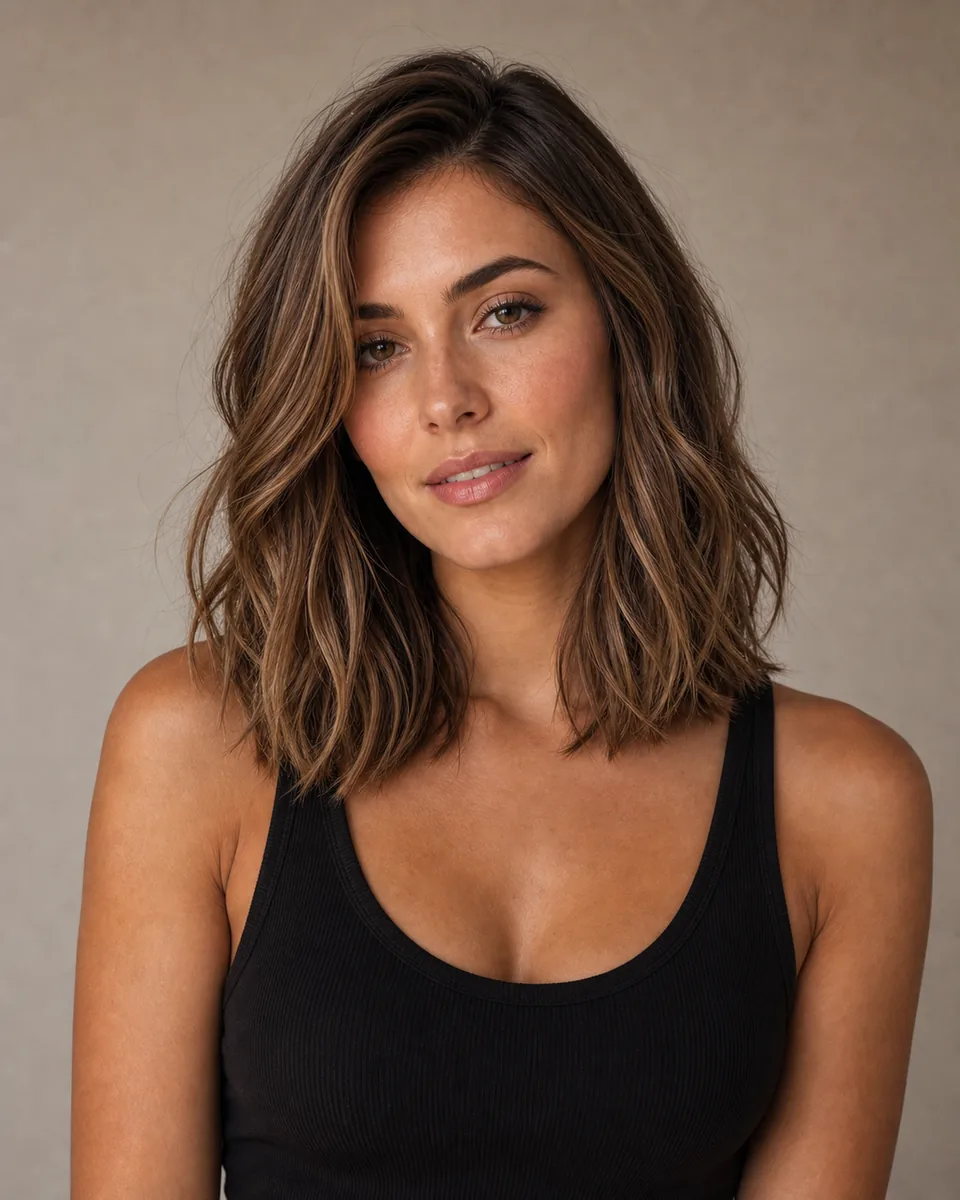
Textured Lob
Shape without going very short: structure from the lob length, relaxation from the texture.
- Best for
- Oval faces that want shape without going very short.
- Why it works
- Why: the lob length adds structure while textured ends keep the shape relaxed.
Possible issue: visible shape is the point, so skip it if you prefer the hair to disappear.
Try this look
Preview a textured lob on your photo.

Look 7
Pixie Cut
The clearest bold short transformation to compare on an oval face.
- Best for
- Oval faces open to a bold short style.
- Why it works
- Why: oval proportions usually handle short shapes well, especially with some top texture.
Possible issue: the pixie needs routine support and a clear styling idea — preview it before committing.
Try this look
Preview a pixie cut on your photo.

Look 8
Face-Framing Layers
Subtle movement near the cheekbones that keeps the overall balance visible.
- Best for
- Oval faces that want subtle movement near the cheekbones.
- Why it works
- Why: face-framing pieces add shape around the cheeks while leaving the balanced face shape readable.
Possible issue: check where the shortest layer lands — pieces that stop too high change the frame more than expected.
Try this look
Preview face-framing layers on your photo.

Look 9
Soft Curls
Volume and texture to compare against a straighter outline.
- Best for
- Oval faces that want more volume and texture.
- Why it works
- Why: soft curls add personality and volume while the balanced face shape keeps the fullness wearable.
Possible issue: too much attention at the sides can hide the balanced outline — keep the volume distributed and the frame visible.
Try this look
Preview soft curls on your photo.

Look 10
Side-Parted Medium Hair
A side-parted direction: asymmetry from the part, practicality from the length.
- Best for
- Oval faces that want asymmetry at a medium length.
- Why it works
- Why: a side part adds asymmetry while medium length stays practical.
Possible issue: the style is quiet by design — skip it if you want the hair to make a statement.
Try this look
Preview side-parted medium hair on your photo.
Best Oval-Face Hairstyles by Hair Type
Use your natural texture and density to narrow the same ten looks. A preview shows a visible finish; it cannot establish how your own hair will hold it.
| Hair type | Good starting point | Detail to check |
|---|---|---|
| Straight | Classic Bob, Sleek Straight Hair, Face-Framing Layers | Compare a continuous perimeter with movement near the cheeks. |
| Wavy | Textured Lob, Shoulder-Length Waves | Look at where the wave becomes fullest and where the ends stop. |
| Curly | Soft Curls, Shoulder-Length Waves | Use the wave reference to compare a medium-length outline; discuss your actual curl pattern and shrinkage with a stylist. |
| Fine | Classic Bob, Side-Parted Medium Hair | Compare a defined perimeter with a shifted part; ask how much layering your density can support. |
| Thick | Soft Long Layers, Textured Lob | Check where fullness sits and how layers change the outline; a photo does not establish weight removal. |
What Oval Faces Should Compare Carefully
No hairstyle is off limits because of an oval-face label. If your goal is to keep the frame open without adding visual length, compare these details:
- Too much height on top: a tall crown can make an already longer-than-wide outline appear longer. Compare it with a lower crown before choosing how much lift you want.
- Very long, one-length hair: a continuous vertical line may draw the eye downward when there is little movement near the cheekbones. Compare the same length with face-framing layers.
- Heavy face-covering fringe: dense coverage can hide the forehead and cheek frame you may want to show. Compare it with a center-opening curtain fringe or a more open front.
These are comparison cues, not rules. Hair texture, density, styling habits and personal preference still matter. An elongated or covered frame may be exactly the effect you prefer.
Narrow Your Shortlist
For movement, compare long layers with soft curls. For a clearer perimeter, compare a classic bob with sleek straight length. For a more open frame, include a pixie. Shoulder-length waves may be a lower-effort option when your natural wave already supports that finish; an AI preview cannot establish the styling routine.
Match the Shortlist to Your Styling Routine
A lower-effort cut is one that works with the texture and growth pattern you actually wear. The face-shape label cannot tell you which fringe will stay in place or how much length you need for your usual ponytail.
| What you want to keep | What to compare in the ten looks | What to check in real hair |
|---|---|---|
| A routine with little root styling | An open front versus curtain pieces or a changed part | Whether the part or fringe returns to its natural direction |
| Enough length to tuck or tie | Long layers or a lob with different front-piece lengths | The shortest piece and your usual tie position, not just the longest strand |
| Your natural wave or curl | Shoulder-length waves or soft curls at a chosen dry endpoint | Shrinkage, side fullness and how the finish changes without a blowout |
| A crisp perimeter or an open short frame | A classic bob versus a pixie | How the neckline, edges and front pieces change as the cut grows |
If you want to retain the back length while changing the face frame, read the layer placement guide. For a broader short-versus-long decision, use the hair-length guide. Bring both the preferred outline and your styling constraints to a stylist; an AI preview does not measure density or predict a maintenance schedule.
Compare the Shortlist on Your Photo
- Reuse one front-facing portrait with the hairline, both sides of the face, jaw and shoulders visible.
- Start with soft long layers, a classic bob and a pixie. Select Try this look under a reference to open Reference Hairstyle Try-On with that image preloaded.
- Upload your portrait and generate a separate preview for each reference. This mode follows the pictured cut and color together; it does not offer a separate shade selector.
- For this shortlist, compare movement, perimeter and how much of the ears, jaw and neck remain visible. Inspect the generated face against the input before judging the hairstyle.
- When colors differ, do not attribute every change in the face frame to the cut. Use references in similar shades where possible, or choose catalog alternatives in one color with Virtual Hairstyle Try-On.
- Treat the shortlist as visual guidance. Your natural texture, density, growth pattern and daily styling time still matter when discussing a real cut.
FAQ
What hairstyle is best for oval faces?
Soft long layers, classic bobs, textured lobs, curtain bangs, pixies, shoulder-length waves and face-framing layers are useful starting points. There is no single best cut for every oval face: choose the movement, endpoint and forehead coverage you prefer, then consider your natural texture and styling needs.
Do bangs work on oval faces?
They can. Curtain pieces, side-swept fringe and shorter bangs create different forehead openings, so compare their shortest point and how they connect to the sides. Hairline growth and natural texture affect how the fringe behaves outside a preview.
Should oval faces choose short or long hair?
Both can work. A preview helps you compare whether a bob, pixie, medium wave, or long layered look reads the way you want on your own face.
Can I try oval face hairstyles online?
Yes. WigTryAI lets you upload a clear photo and preview hairstyle directions on your own face before choosing.
Which oval-face look is lowest maintenance?
A photo cannot establish the lowest-maintenance haircut for you. Shoulder-length waves can be easier when your hair already forms that pattern, while a sleek bob may need more finishing or frequent perimeter upkeep. Discuss your natural texture and styling time with a stylist.
How many oval-face styles should I compare at once?
Two or three is enough if they differ in finish — one soft, one polished, and one bold. Comparing three variations of the same length tells you much less.
Can I keep my hair color while trying these references?
The reference-image buttons preview the hairstyle and shade together; that mode has no separate color selector. For a fixed-color comparison, choose catalog alternatives in Virtual Hairstyle Try-On and select the same shade for each. AI output can still change color or unrelated details, so inspect every result.
What are good hairstyles for oval faces with fine hair?
A classic bob or side-parted medium style is a useful starting comparison for fine hair. Check whether you prefer a defined perimeter or movement from the part, then ask a stylist how much layering your density can support. An AI preview cannot establish real hair thickness or guarantee added volume.
What are good hairstyles for oval faces with curly hair?
Start with soft curls and compare where the outline is fullest around the cheeks and jaw. A shoulder-length reference can help you choose an endpoint, but a wave preview is not a prediction of your curl pattern. Discuss shrinkage, density and styling habits before translating the reference into a cut.
