
Body wave vs deep wave
Body Wave vs Deep Wave: Which One Should You Try?
Body wave uses broad, even bends with gentle definition. Deep wave uses a tighter, more uniform pattern that carries more volume. Both sit at the same length — the difference is how much the pattern does on its own.
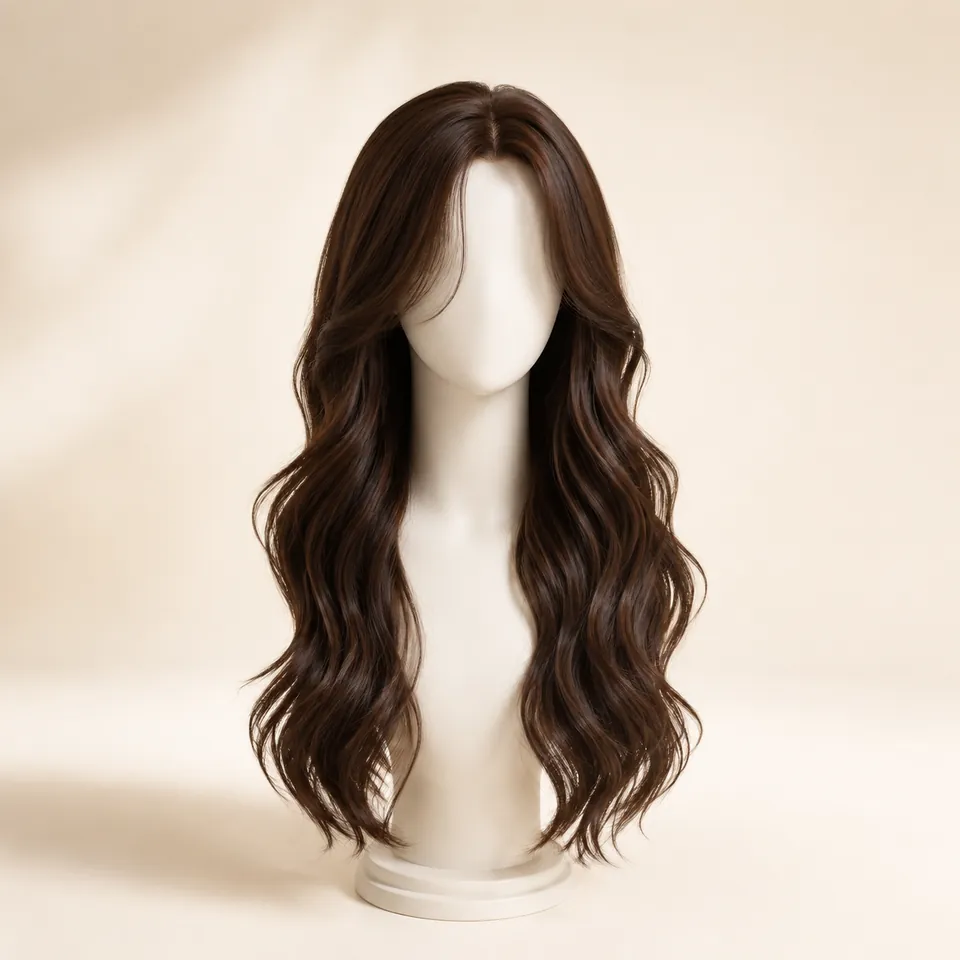
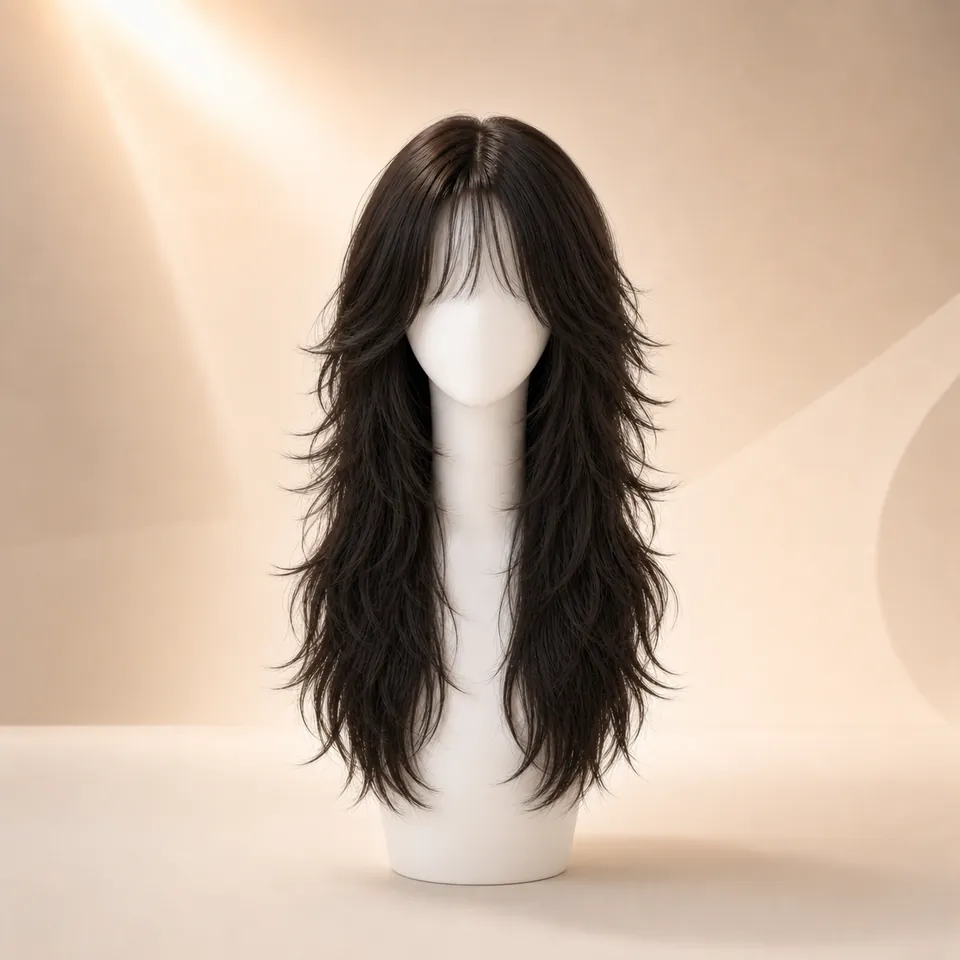
Body wave vs deep waveBody wave hairDeep wave hairWave comparison
3 min read
Quick answer
Which one should you try?
Choose body wave if you want a soft, everyday pattern with a smoother outline and less volume. Choose deep wave if you want a more defined, fuller pattern that holds its shape with less styling.
- Bend size
- Body wave: broad and even · Deep wave: smaller and tighter
- Definition
- Body wave: soft, blends together · Deep wave: each wave reads separately
- Volume
- Deep wave carries more at the roots and through the middle
- Upkeep
- Body wave relaxes sooner · Deep wave holds longer but tangles more easily
The difference is the size of the bend
Both patterns are waves rather than curls, and both usually sit at the same length, so neither is longer or shorter than the other. What separates them is how much work each bend does. Body wave uses broad, even S shapes that flow into each other, which keeps the outline smooth and the volume moderate. Deep wave uses a tighter, more uniform pattern where each wave is distinct, which reads fuller and gives the hair more body from the roots down.
That difference shows up in three places: how much volume the hair carries on its own, how defined the pattern looks as a whole, and how the ends behave. Body wave ends tend to relax and blend; deep wave ends keep their shape but can tangle more because the pattern is tighter.
Body wave is a soft rhythm. Deep wave is a defined pattern.
Body wave vs deep wave comparison
| Factor | Body wave | Deep wave |
|---|---|---|
| Bend size | Broad, even S shapes | Smaller, tighter waves |
| Definition | Soft and blended | Distinct and uniform |
| Volume | Moderate, closer to the head | Fuller at the roots and middle |
| Outline | Smoother perimeter | Wider, more textured perimeter |
| Styling needed | Some direction to keep the bends even | Less styling to hold the pattern |
| Tangling | Lower | Higher, because the pattern is tighter |
| Longevity | Relaxes sooner | Holds its shape longer |
| Best for | Everyday, softer finishes | Defined, fuller shapes |
Length, density and upkeep
Length changes both patterns in the same direction. At shoulder length the wave is compact and the neck stays visible; at chest length both have room to show their pattern; at extra-long the weight stretches the bends, and deep wave softens more than body wave does because it has more pattern to lose.
Density decides which one suits you. Body wave adds moderate volume on top of whatever you have, so fine hair reads fuller without looking heavy and thick hair stays controllable. Deep wave adds more, which flatters thin hair but can look bulky on very thick hair unless the length carries the weight.
Upkeep differs too. Body wave usually needs the bends directed while drying, and it relaxes between washes. Deep wave holds its pattern longer but tangles more, so it asks for gentler brushing and more care at the ends.
Which one should you choose?
Choose body wave if you want a pattern that reads soft in daylight, keeps the outline smooth, and works with almost any length. It is the lower-maintenance option and the safer first choice if you have not worn a wave pattern before.
Choose deep wave if you want the pattern to be the feature: more volume from the roots, clearer definition, and a shape that holds without daily styling. It suits fine to medium hair best, and it asks for more careful handling when detangling.
Preview both at the same length and look only at the width beside your cheekbones — that is where the two patterns separate most clearly.
Try both patterns on your own photo
Upload one clear portrait, keep the color and length steady, and switch between body wave and deep wave so the bend size is the only variable.
Compare both waves on my photoWhat a preview can and cannot tell you
A preview compares the visible pattern: bend size, how wide the hair sits, and how the ends finish. It cannot tell you how your own density carries the volume, how the pattern holds after washing, or how a stylist will set the waves on your hair. The card portraits and comparison figures on this page are editorial illustrations produced for WigTryAI — they are examples of each direction, not outputs from a real try-on and not photos of customer results.
Related comparisons and guides
Deciding between a wave and a curl?
Compare the pattern families side by side, or preview a longer wave direction on your own photo.
Compare wig stylesFAQ
Is deep wave the same as body wave with more volume?
No. Deep wave uses a tighter, more uniform pattern, so the definition itself is different, not just the amount of volume. Body wave stays softer and blends together even when styled for more body.
Which one holds its shape longer?
Deep wave holds longer because the pattern is tighter and more defined. Body wave relaxes sooner and usually needs the bends redirected while drying to keep them even.
Which is better for fine hair?
Deep wave adds more volume from the roots, so it reads fuller on fine hair. Body wave also helps, but the effect is softer and closer to the head.
Does one tangle more than the other?
Deep wave tangles more because the tighter pattern traps loose hair. It needs gentler brushing and more attention at the ends, while body wave is easier to detangle day to day.
Can I try both patterns on the same photo?
Yes. Upload one front-facing portrait, keep the color and length steady, and switch between the two patterns in the tool. Comparing them at the same length with the same light is the only way to see how much width each one adds beside your face.