
Butterfly Cut vs Long Layers
Butterfly Cut vs Long Layers: How Short Should the Front Be?
A butterfly cut places a noticeably shorter frame above a longer base. Subtle long layers keep more of the front long and put movement lower down. Both are layered haircuts; compare the shortest front piece rather than relying on the label.

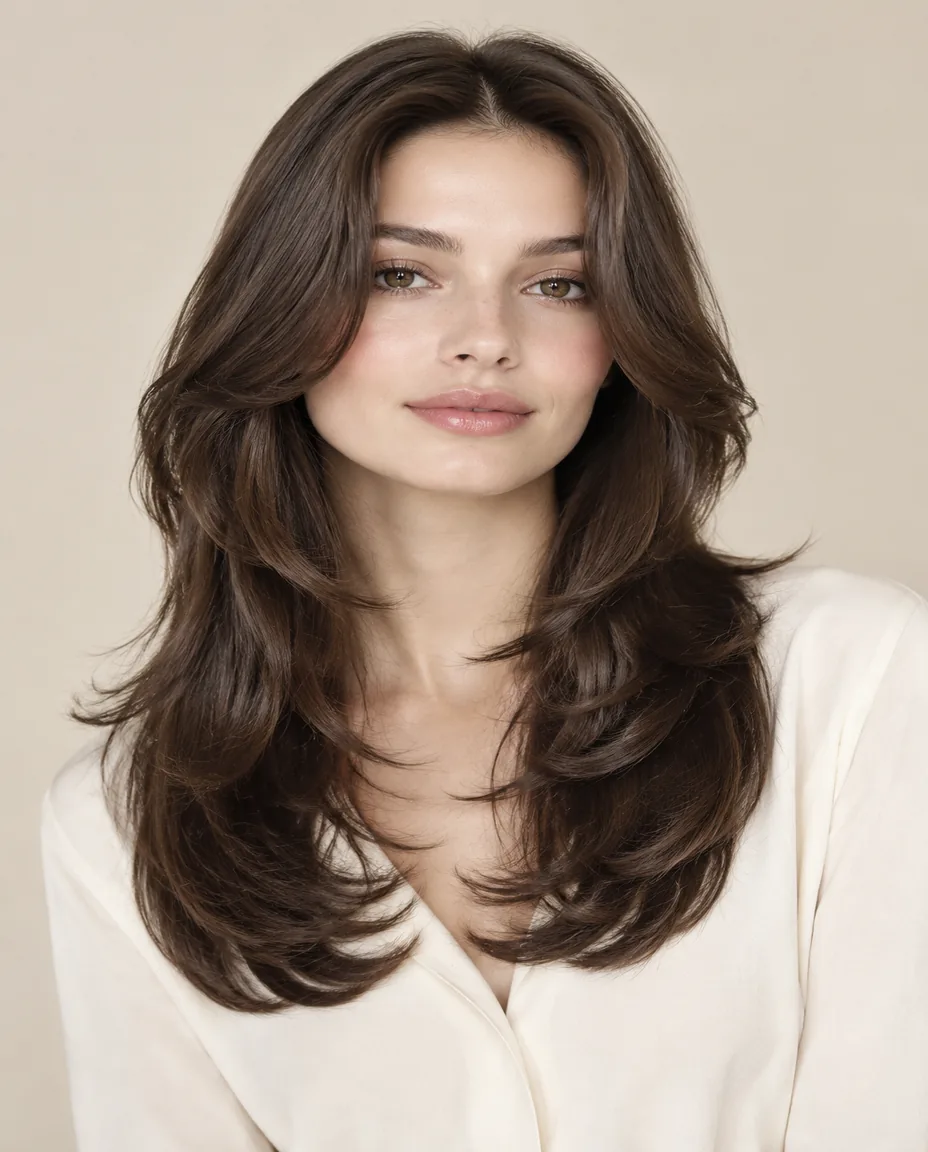
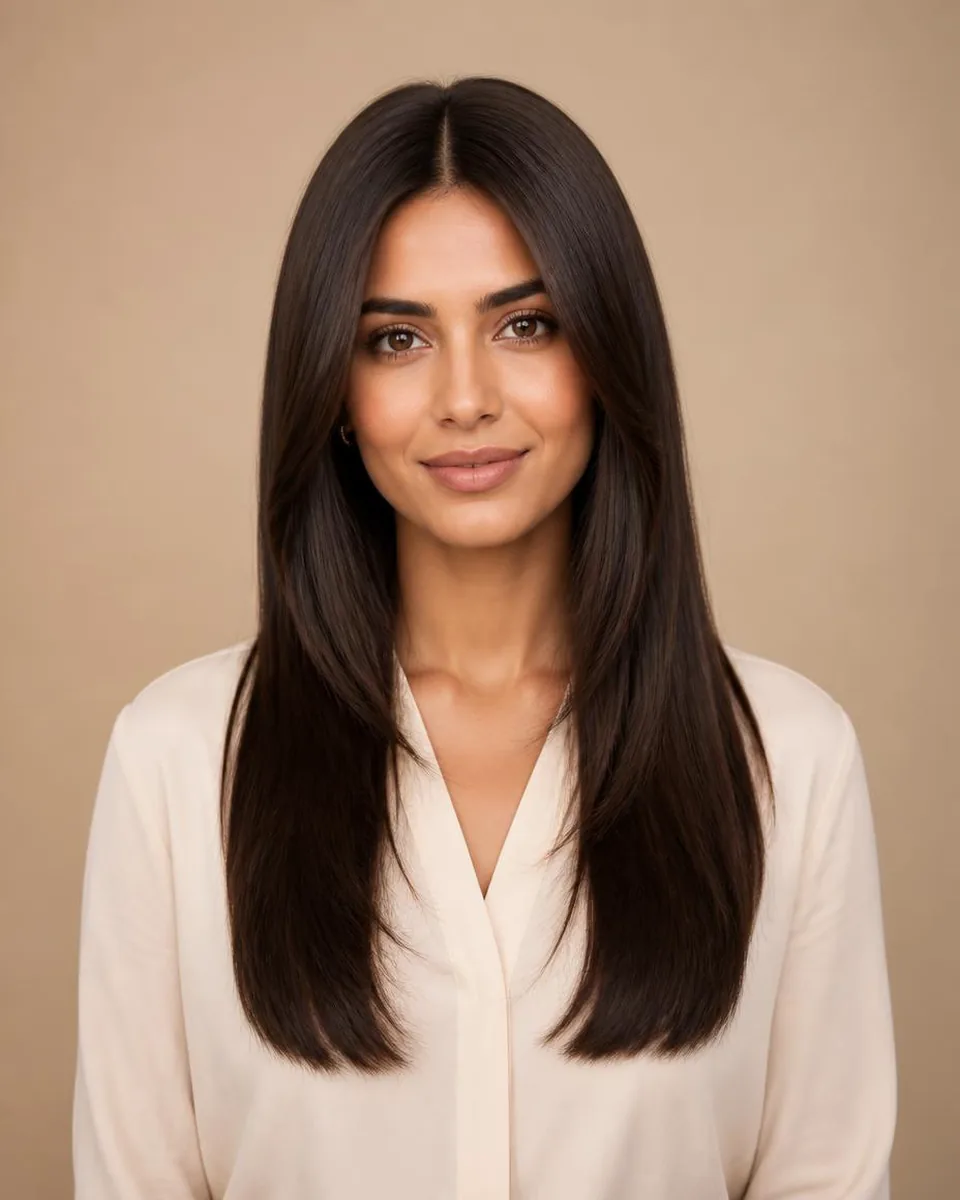
Butterfly CutLong LayersHairstyle comparison
7 min read
Quick answer
A butterfly cut belongs to the layered-hair family
Choose a butterfly-style cut when you want noticeably shorter front layers that sweep away from the face above a longer base. Choose subtler long layers when you want movement lower through the lengths while keeping more of the front long. These are overlapping descriptions: the useful decision is the shortest front piece, its contrast with the back and how you plan to style it.
- Butterfly emphasis
- A shorter, visible front frame above retained back length
- Subtle long-layer emphasis
- Less interruption around the face and lower movement
Visual comparison
Butterfly cut vs long layers: compare the shortest front piece
AI-generated editorial illustrations using different models and framing, not customer results or a controlled same-face test. Compare the shortest front piece and lower outline; use your own portrait to compare the directions on one face.
Butterfly Cut
Shorter front layers create a separate sweep around the face above the longer lower edge.
Try Butterfly CutLong Layers
The front remains longer and the layer changes sit lower, keeping a more continuous long outline.
Try Long Layers
What is a butterfly cut?
A butterfly cut combines shorter face-framing layers with longer layers underneath. In many references, the front is styled outward so it reads almost like a shorter haircut sitting above the long back. L'Oréal Paris describes it as one variation within the layered-hair family, rather than an alternative to having layers at all.
The name does not set an exact cheekbone, chin or shoulder endpoint. Show the shortest piece you want and how clearly you want it separated from the longer hair. The butterfly cut try-on guide covers the broader silhouette; this comparison focuses on how much shorter front framing you actually want.
What are long layers?
Long layers are a broad request for different lengths within a long haircut. A restrained version keeps the shortest layers relatively long, often placing the most visible movement toward the lower lengths. It can include face-framing pieces, but those need not be short enough to create the pronounced upper sweep seen in a butterfly reference.
“Long layers” does not tell a stylist where the first layer should start. Two people can use the same phrase and mean very different haircuts. For this comparison, the long-layer reference represents a quieter front transition and less contrast with the lower edge, not every possible layered cut.
The shortest piece matters more than the haircut label
A butterfly cut can keep the longest back strands while removing considerable front length. If your goal is to keep every section long enough for a ponytail, “keep the length” is not a complete instruction. Point to the front pieces that must still reach the tie, clip or ear.
Conversely, long layers can remove internal weight without creating an obvious short frame. Decide whether you want a visible change beside your face or movement you mainly notice through the body and ends. The layer placement guide explains why front framing and layers throughout the haircut are separate requests.
Decision guide
Which layer arrangement matches what you want to keep?
Both options can retain a long back. Specify the front and the bottom edge as well.
| Decision point | Butterfly-style starting point | Subtle long-layer starting point |
|---|---|---|
| Shortest front piece | A clear shorter frame beside the face | A longer piece that interrupts the outline less |
| Front-to-back contrast | More visible difference between upper sweep and long base | A gentler transition through the lengths |
| Styled silhouette | Outward curves can emphasize the upper layers | Movement can remain concentrated lower down |
| Ponytails and clips | Shorter front pieces may stay out of the tie | Longer front sections may reach, if kept long enough |
| Fine or sparse-looking ends | Limit how much hair is removed from the lower outline | Retain a substantial perimeter and add restrained movement |
| Growing out | Short front pieces need time to reach the rest | Less distance for the front to catch up if it starts longer |
Which works better for fine or thick hair?
Fine strands or a sparse-looking perimeter: start with the amount of hair you need to preserve at the bottom. Dramatic front and upper layers can leave less visible fullness through the long edge. A softer butterfly frame may work, but it should not be sold as a way to manufacture density. Restrained long layers are a useful starting conversation when retaining that edge matters more than a pronounced upper sweep.
Thick hair: either arrangement can remove weight. Butterfly framing puts a more visible change beside the face; long layers can distribute movement farther down. Ask whether the goal is less bulk inside the haircut, shorter pieces on the surface or both. A shorter layer in thick hair can also expand in an area you wanted to keep quiet.
The thin and fine hair shortlist separates strand thickness from density. Use that distinction when deciding whether a reference's full-looking ends are realistic for the amount of hair available.
Straight, wavy and curly hair: compare the finish you will wear
On straight hair, a butterfly reference's outward bend often includes blow-drying or another setting method. Without that finish, the short front may fall flatter and the difference in length may be more visible. Longer, subtler layers can preserve a straighter continuous outline, though they do not guarantee a no-styling routine.
On wavy hair, shorter pieces may reveal or release a bend near the cheek while longer layers place the first obvious movement lower down. Look at where the wave actually sits when dry. Removing weight does not make every section bend in the same direction.
On curly hair, choose a dry reference and discuss the shortest curl with a stylist. A short front layer can sit much higher after drying than its stretched length suggests. Either layered approach can be adapted, but a smooth generated portrait cannot predict shrinkage, curl clumping or the technique needed.
Face framing: place the first curve deliberately
The butterfly reference creates an upper sweep around the face, so notice where that curve sits relative to the cheekbones, jaw and shoulders. The long-layer reference carries more of the front downward before the movement opens out. Neither arrangement belongs exclusively to one face shape.
If you want to keep the area beside the cheek quieter, a longer front piece may place the curve lower. If you want movement near the cheek, a shorter front can make that the feature. Check the dry endpoint in a reference instead of asking for a universal number of layers.
Maintenance and grow-out
A butterfly cut asks you to decide what the front pieces should do each morning. If your reference has a broad outward sweep, discuss how you will set it and what it looks like without that finish. Longer layers may ask for less deliberate front styling when they follow your natural fall, but that depends on the hair rather than the label.
As both cuts grow, layers remain different lengths until they are blended or the shorter pieces catch up. A butterfly shape may lose some upper definition while retaining a long back; growing out the front is a separate task from preserving the back. Longer starting layers leave less distance to close, though the lower edge still needs care appropriate to your hair.
Davines' butterfly haircut guide also makes layer starting point a key consultation choice. Bring both a styled reference and an example of the everyday finish you are willing to maintain.
Try a butterfly cut and long layers on the same face
Use a portrait that includes the shoulders and upper chest so the long edge is visible. Reference-image try-on follows the reference's color and hairstyle together. Keep the portrait the same, then compare the two directions in separate generations.
- Start with the butterfly image and identify the shortest front piece.
- Return for the long-layer image, then compare where the first curve begins.
- Look at the apparent fullness at the lower edge without treating it as a density measurement.
- Keep the front endpoint you prefer as part of the stylist brief, along with which sections must still tie back.
First compare the shorter front frame
Preview the butterfly reference and check whether you want that visible upper sweep beside the face.
Try Butterfly Cut on my photoThen compare the longer front transition
Use the long-layer reference in a separate generation on the same portrait. Look at the continuous outline and where the movement begins.
Try Long Layers on my photoThe result is a visual starting point. It cannot establish the amount of hair a stylist would remove, your real density, how the layers behave when air-dried or an exact salon outcome. Use virtual hairstyle try-on for more overall length directions.
Which one should you choose?
Choose the butterfly direction if the shorter frame is the part you want, and you are comfortable discussing the styling needed to show it. Choose subtler long layers if your priority is keeping the front long and placing movement lower down. You can also ask for an intermediate version: a modest front frame with restrained layers through the rest.
If the alternative you are considering has a short choppy crown and tapered ends, butterfly cut vs wolf cut answers that different question. If your uncertainty is whether to keep layers at all, layered hair vs blunt cut compares movement with a more continuous edge.
FAQ
Is a butterfly cut just long layers?
It is a particular layered-hair direction, often with a more pronounced short front frame over a long base. Long layers is a broader request and can mean a much subtler transition. A reference and a specified shortest piece are more useful than the names alone.
Can a butterfly cut keep my length?
It can retain the longest back strands while shortening the front and other sections. Tell the stylist which pieces must remain long, especially if tying the front back matters to you. Retaining back length does not mean every section stays the same length.
Are long layers better for fine hair?
Restrained layers can help preserve a substantial-looking lower edge, but the answer depends on density as well as strand thickness. Too much layering in either style can leave the ends looking sparse. Ask what hair remains at the perimeter after the proposed cut.
Does a butterfly cut require curtain bangs?
No. The shorter front frame can start lower than a conventional fringe. Specify whether you want any hair across the forehead or only shorter sections beside the face.
Will a butterfly cut look like the reference without a blowout?
Not necessarily. The reference may depend on an outward set, rollers or other styling. Ask what the proposed cut will look like with your usual drying method; an AI preview cannot predict how your hair will hold that finish.