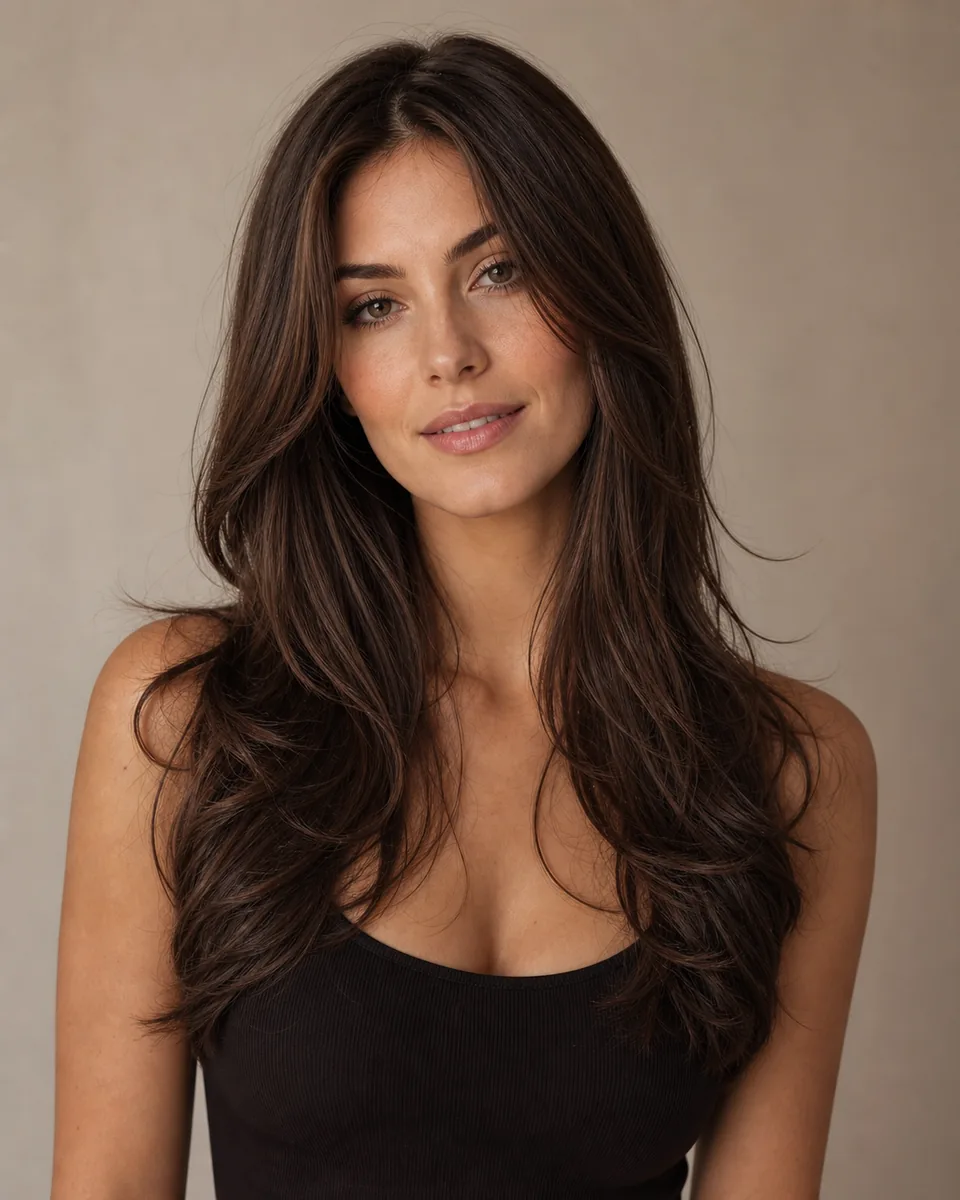
Hairstyles for Thin and Fine Hair: 6 Perimeter-First Options
Compare the line at the ends, the visible part and the movement separately. These six haircut directions help you decide what to preserve before asking for more layers or less length.
Editorial hairstyle illustrationChin-length blunt bob
best hairstyles for thin fine hairHairstyle decisionsVisual guide
5 min read
Quick answer
What is a useful starting haircut for thin or fine hair?
Start with a blunt bob or a lob if your priority is a more continuous-looking perimeter. Compare a softly layered lob when you want movement and have enough hair to support it; include a pixie or longer option when that is the length you actually enjoy. The cut should decide where the visible edge sits, not promise to create more hair.
Fine means a smaller individual strand diameter. Thin means lower density across an area. You can have one, both or neither. Hairstory distinguishes those characteristics; the right amount of layering depends on both, as well as the outline you want.
Six haircut directions, ordered from perimeter-first to length-first
This is an editorial shortlist, not a clinical ranking or a measurement of fullness. The first three options prioritize a compact, readable edge; later ones test the tradeoff between that edge, movement and retained length. None establishes how much hair the pictured model has.
Ranked shortlist
Hairstyles for Thin and Fine Hair: 6 Perimeter-First Options
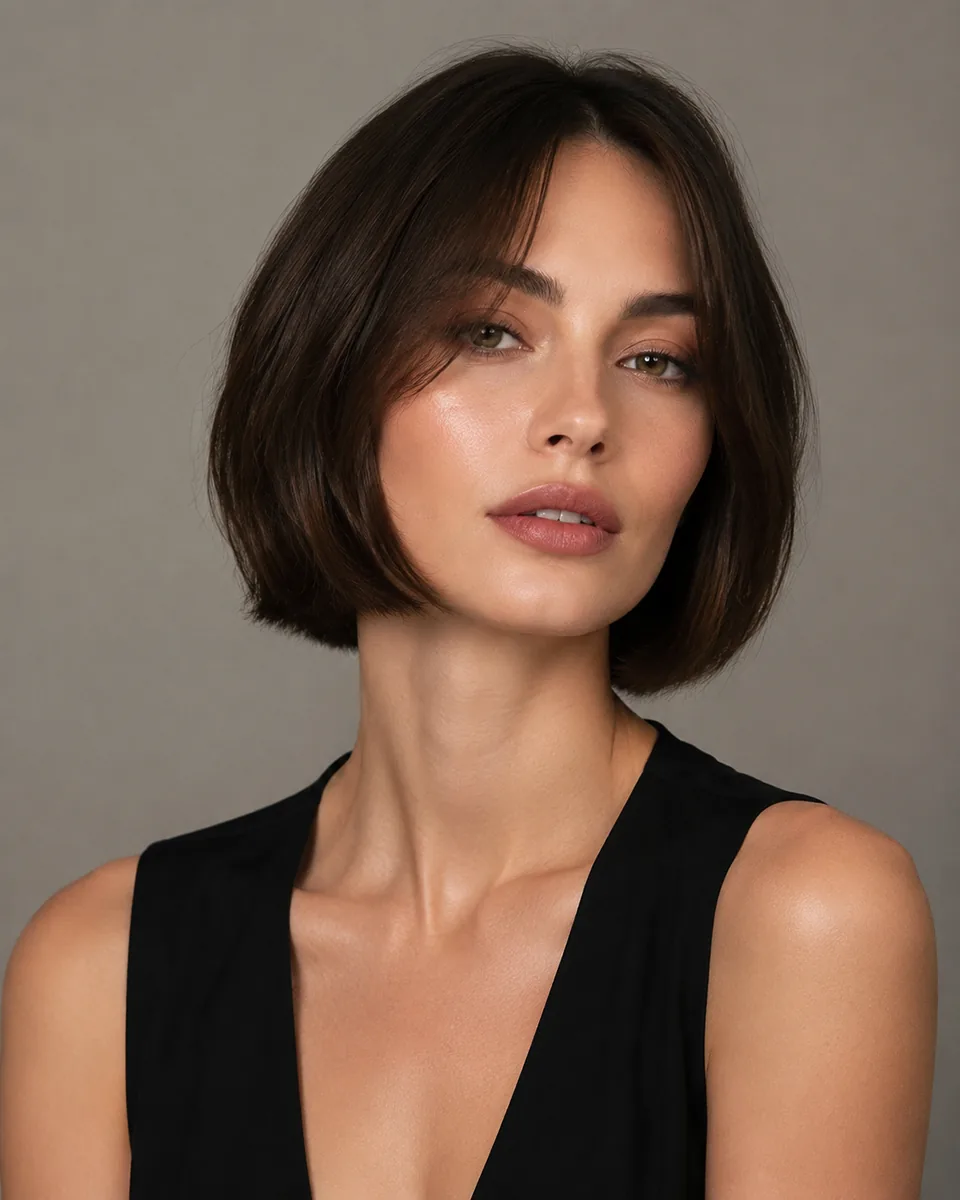
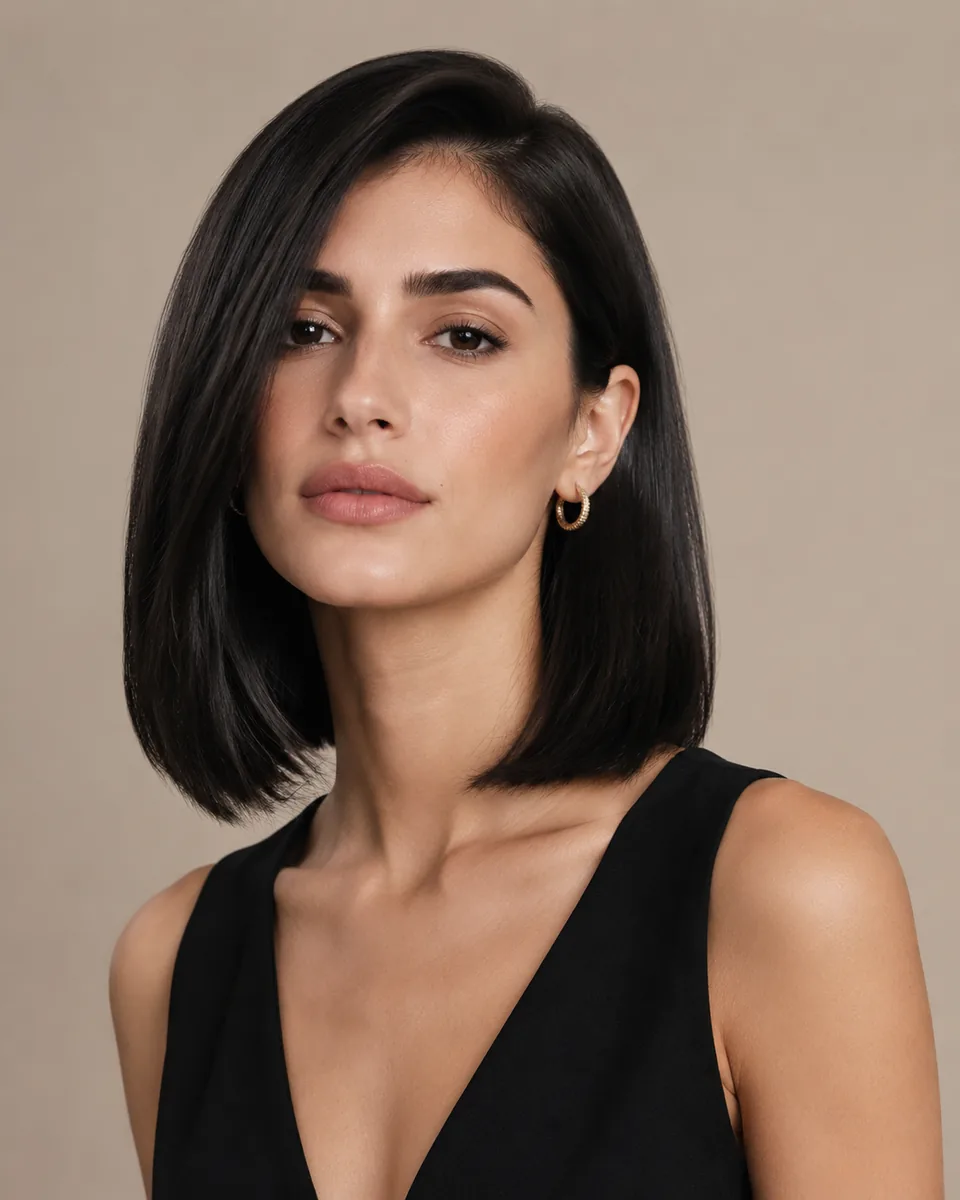
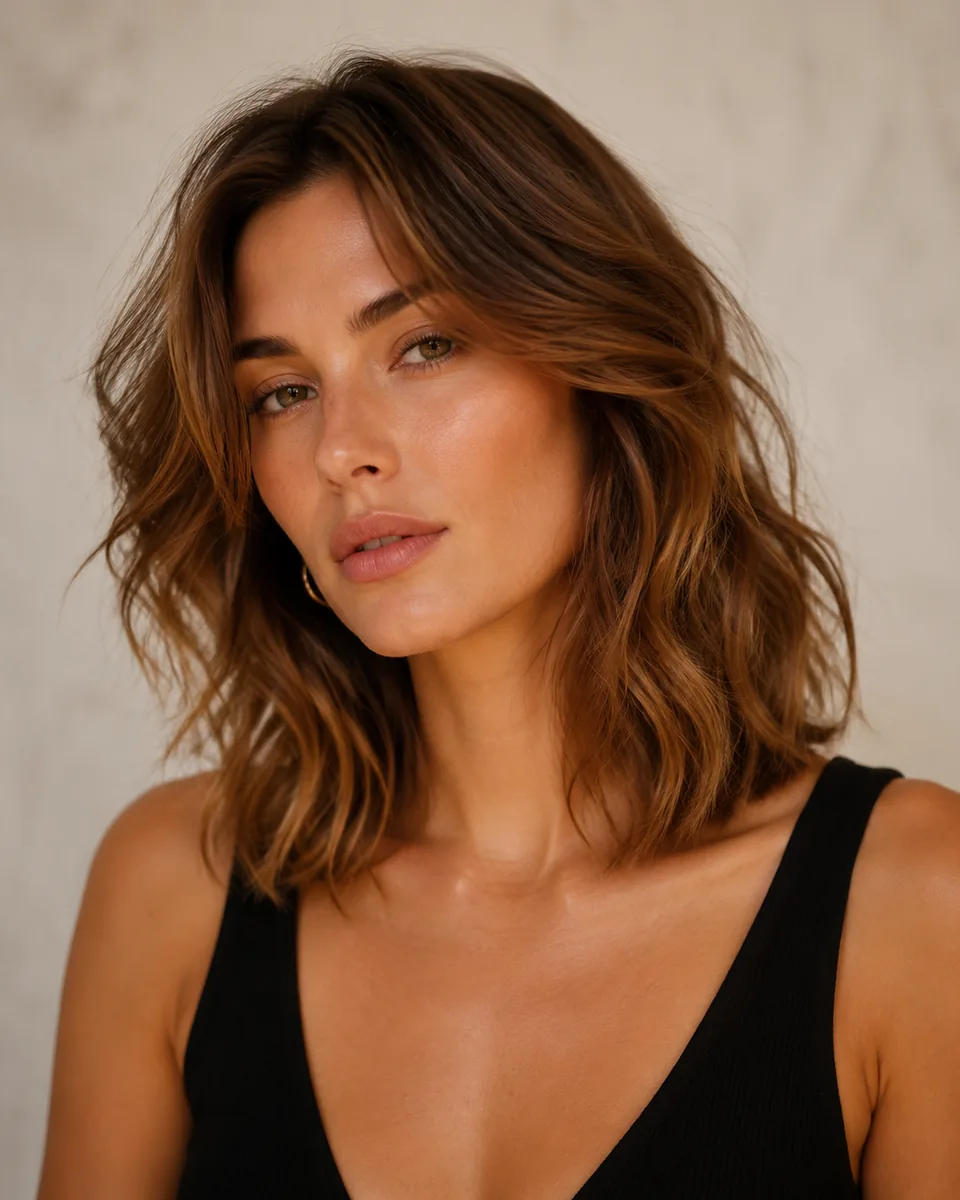
Six editorial starting points, ordered by the stated decision criteria rather than popularity, clinical results or measured suitability. Reference portraits show different people and hair colors. Each action opens the closest catalog direction, not an exact recreation of the reference.
Look 1
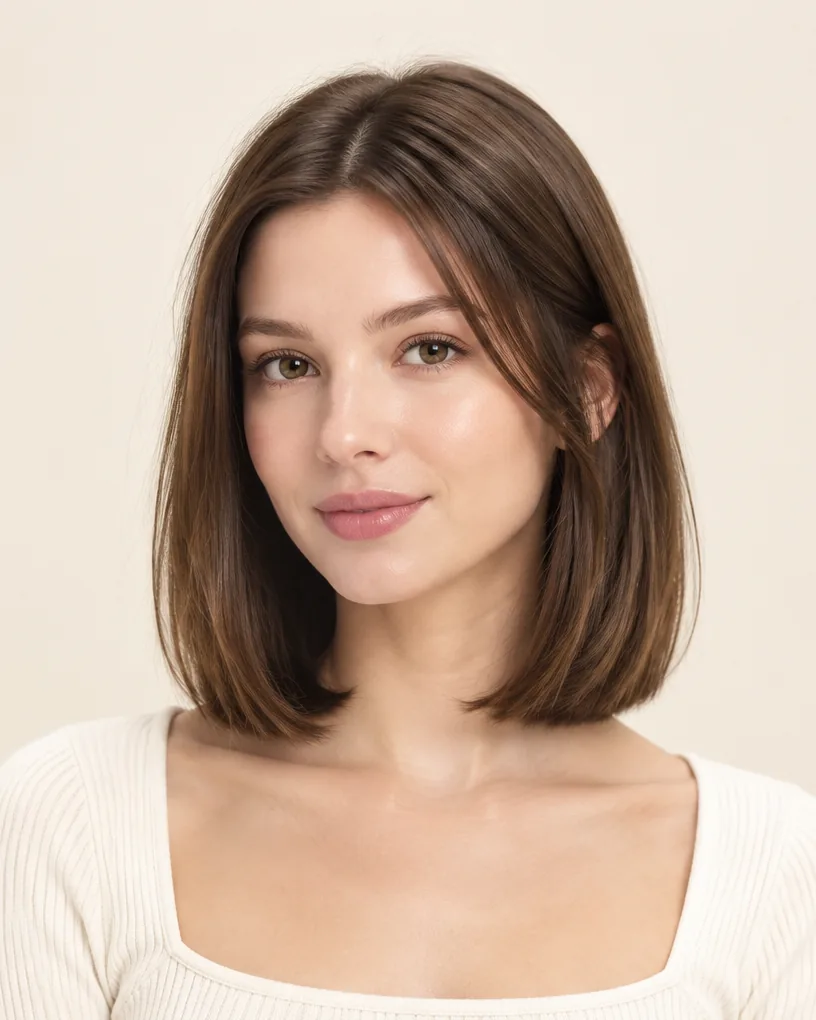
Chin-length blunt bob
A clear edge near the chin concentrates the visible ends into one compact line.
Best for
A shorter cut when keeping a solid perimeter is the main goal.
Why it works
The uninterrupted edge can look more substantial than heavily separated tips. It is an appearance choice, not more hairs.
A bob does not guarantee root lift. Ask how the edge looks around the ears and natural part when dry.
Preview the closest catalog direction; the preset does not reproduce this reference exactly.
Read the edge, the part and the movement separately
The edge: look at the last few inches against a contrasting shirt. Do you want one more continuous line, or do you prefer separated pieces? A blunt perimeter can look fuller at that line without changing the number of strands growing from the scalp.
The part: a cut that makes the ends look solid does not necessarily change how much scalp shows along the part. Judge both in ordinary light. Do not let a polished reference portrait answer a question about your own density.
The movement: fine strands can still have substantial density, waves or curls. Layers are not automatically wrong. In Sam Villa’s fine-hair layering education, preserving the perimeter is a central concern while adding interior movement. That supports a more useful question than “layers or no layers”: which sections can change without losing the edge you want?
Decision guide
Choose the compromise you actually want
Your priority
Start by comparing
Tradeoff to discuss
A more continuous-looking edge
Blunt bob vs lob
Shorter length does not guarantee lift at the roots
Movement with a retained outline
Classic bob vs softly layered lob
How much of the perimeter remains untouched
Keep hair long
Restrained front layers vs a more one-length shape
Whether the last few inches look as full as you prefer
A deliberate short haircut
Pixie vs bob
More exposure of growth direction, scalp and ears
A change at the forehead
Narrow fringe vs an open front
How much hair a fringe borrows from the sides
Bangs are a separate density decision
A small fringe can add a new edge near the eyes, but taking a deep section for bangs may leave less hair beside the temples. Wispy, curtain and blunt labels do not tell you how much hair the cut needs. The bangs for thin hair shortlist focuses on that front-section budget.
If the choice is a bob, blunt bob versus layered bob compares the perimeter and interior shape at a similar length. If you mainly want a different front frame, the layer-placement guide separates where layers begin from how long the back stays. The thick-hair guide addresses a different goal: managing a fuller mass rather than preserving a sparse-looking edge.
Turn a reference into a useful stylist conversation
Bring one straight-on photo of the reference and one of your current hair in its usual dry state. Point to the perimeter you like and say which parts you want to keep: length, room to tuck, an open forehead or a soft front. Ask where the stylist would preserve weight, where they would add movement and how the cut would look without the reference photo’s finish.
There is no need to ask for “the thickest-looking haircut” as though one cut wins on every texture. A look that reads full at the ends may still need styling at the crown. Choose the tradeoff that matters to your daily routine.
Compare a compact perimeter on your photo
Start with the blunt bob preset, then compare a medium lob using the same portrait and color. The preview cannot assess your real density.
The references and hero are generated editorial hairstyle illustrations, not measured samples of fine or low-density hair. AI may fill gaps, thicken ends or alter a hairline, so the result can compare outline and length but cannot predict the actual fullness, scalp coverage or styling behavior after a cut. This is a styling guide, not an assessment of changes in hair density.
FAQ
Is fine hair the same as thin hair?
No. Fine describes individual strand diameter, while thin describes lower density. Someone can have many fine strands or fewer coarser ones. A cut chosen only from the word “fine” can miss the more relevant density and perimeter question.
Do blunt cuts make thin hair thicker?
A blunt perimeter can create a more continuous-looking line at the ends. It does not create more hair or change strand diameter. Judge that edge separately from how much scalp is visible at the part.
Should fine hair avoid layers?
Not automatically. Fine hair with enough density may suit selective layering. When the ends already look sparse, discuss keeping a stronger perimeter rather than cutting short layers everywhere.
Must thin hair be cut short?
No. Length is a preference and a tradeoff, not a rule. A shorter shape can make the edge more compact; longer hair can remain an option if you like its outline and understand how much fullness the ends retain.
Can an AI preview show how thick my real hair will look?
No. AI can add apparent density and smooth over gaps that a haircut cannot change. Use the preview for visible length, fringe and outline decisions, then ask a stylist to evaluate the available hair and growth pattern.