
Blunt bob vs layered bob
Blunt Bob vs Layered Bob: Which One Should You Try?
A blunt bob holds one clean line at the jaw. A layered bob keeps a similar length but breaks that line with interior layers. The choice comes down to whether you want the edge sharp or the shape moving.
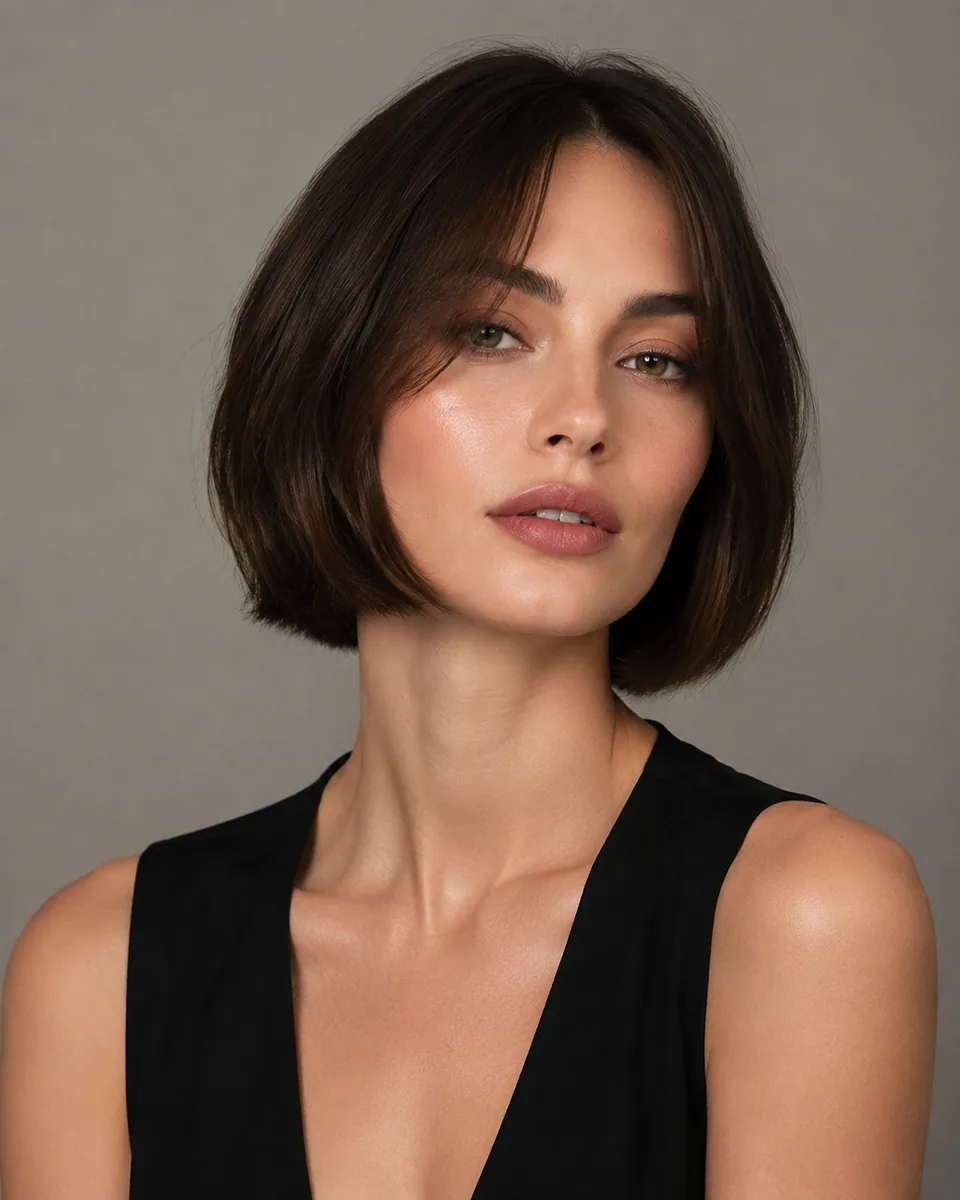
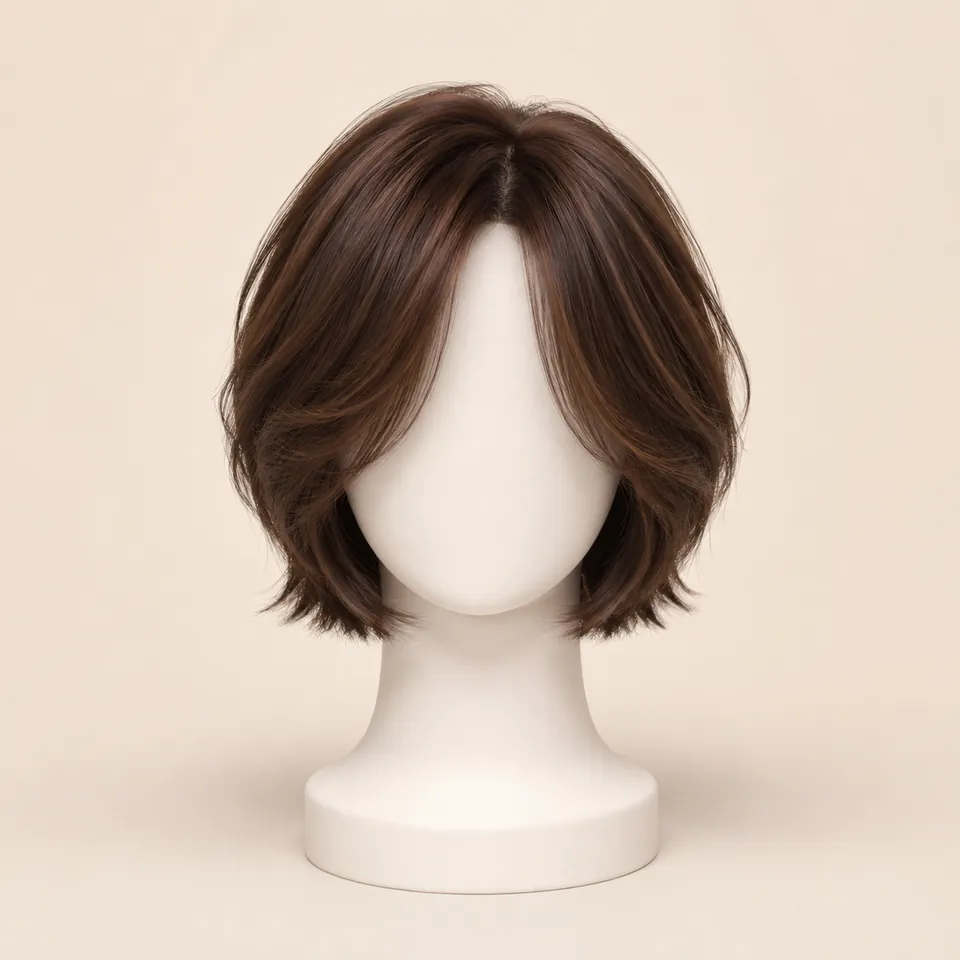
Blunt bob vs layered bobBlunt bobLayered bobBob comparison
3 min read
Quick answer
Which one should you try?
Choose the blunt bob if you want a strong, even line at the jaw and a shape that stays sharp between trims. Choose the layered bob if you want movement, a softer perimeter and a cut that grows out with less visible weight at the ends.
- Perimeter
- Blunt: one clean line · Layered: broken into pieces
- Movement
- Blunt: minimal, the ends hold still · Layered: visible through the length
- Width
- Layered versions can add width at the cheeks; blunt keeps the outline tighter
- Grow-out
- Blunt shows regrowth as a line · Layered hides it and needs less frequent trimming
The difference is the perimeter, not the length
Both cuts usually sit between the chin and the jaw, so length is rarely the deciding factor. What changes is what happens at the ends. A blunt bob is cut to one even length, which produces a single horizontal line where the hair stops. A layered bob cuts interior layers into that same length, so the ends overlap instead of forming a line.
That one difference drives everything else: how the shape reads from the front, how much the ends move when you turn your head, how forgiving the cut is as it grows, and how much styling it asks for. A blunt bob looks intentional and architectural; a layered bob looks softer and more relaxed at the same length.
Blunt is a line. Layered is movement inside the same length.
Blunt bob vs layered bob comparison
| Factor | Blunt bob | Layered bob |
|---|---|---|
| Perimeter | One even line at the jaw | Broken up by interior layers |
| Ends | Dense and even | Overlapping and lighter |
| Movement | Minimal, holds its shape | Visible through the mid-lengths |
| Width at the cheeks | Tighter outline | Slightly wider where layers sit |
| Styling | Needs smooth drying to keep the line | More forgiving, texture hides unevenness |
| Grow-out | Regrowth shows as a change in the line | Blends in with the layers |
| Trim rhythm | More frequent to keep the edge sharp | Less frequent, softer between visits |
| Best for | A graphic, deliberate shape | Movement without changing the length |
Face shape, density and texture
Neither cut is reserved for a face shape, because both can be adjusted at the jaw. The blunt version puts the strongest horizontal line at the jaw, which visually widens that area; the layered version spreads the ends so the same line is softer. If you want to soften a strong jaw, layers help; if you want to define it, the blunt line does more.
Density changes the result more than the cut name does. Fine hair in a blunt bob reads fuller at the ends because all the hair stops in one place, while layers can thin the perimeter. Thick hair in a blunt bob can look heavy and needs more styling to sit flat, while layers remove that weight. That is why the same pair of cuts can be the right choice for opposite hair types.
Which one should you choose?
Choose the blunt bob if you want the shape to read as designed: one clean line, minimal movement, and a look that stays the same from morning to evening. It asks for smooth drying and more frequent trims, and it rewards you with a perimeter that looks deliberate.
Choose the layered bob if you want the same length with less rigidity: the ends move, the outline is softer, and the cut grows out with less visible regrowth. It suits fine hair that needs the ends to blend and thick hair that needs weight removed.
If you are still deciding, preview both on the same photo and look only at where the hair stops at the jaw. That single line is the decision.
Try both bobs on your own photo
Upload one clear portrait, keep the color and part steady, and switch between the blunt and layered versions so the perimeter is the only variable.
Compare both bobs on my photoWhat a preview can and cannot tell you
A preview compares the visible shape: where the perimeter sits, how the ends read, and how much width the cut adds beside your face. It cannot tell you how your own density behaves in layers, how much styling the cut will need, or how a stylist will interpret the reference on your hair. The card portraits and comparison figures on this page are editorial illustrations produced for WigTryAI — they are examples of each direction, not outputs from a real try-on and not photos of customer results.
Related comparisons and guides
Still choosing a bob length?
Compare the bob directions on your own photo first, then bring the version you liked to the salon as a reference.
Try a bob on my photoFAQ
Is a layered bob the same as a blunt bob with layers?
No. A blunt bob has no interior layers at all: the ends form one line. A layered bob cuts layers into the same length so the ends overlap and move. The difference shows up most at the perimeter, not in the overall length.
Which one is easier to grow out?
A layered bob is usually easier. The layers blend as the hair grows, while a blunt bob shows regrowth as a change in the density of the line and needs more frequent trims to stay sharp.
Does a blunt bob make a face look wider?
It puts a strong horizontal line at the jaw, which draws the eye there. If your jaw is already the widest part of your face, a layered version usually reads softer; if you want to define the jaw, the blunt line does more.
Which is better for fine hair?
Fine hair often reads fuller in a blunt bob because all the hair ends in one place. Layers can thin the perimeter, so if you have fine hair and want layers, ask for them through the last third only.
Can I try both on the same photo?
Yes. Upload one front-facing portrait, keep the color and part steady, and switch between the two cuts in the tool. Comparing the perimeter on the same face with the same light is the only way to see which line you prefer.