
Butterfly cut vs wolf cut
Butterfly Cut vs Wolf Cut: Which One Should You Try?
Both cuts use layers, but they put the volume in different places. A butterfly cut keeps the length and softens the front. A wolf cut lifts the crown and tapers the ends. Here is how to tell which one you actually want.
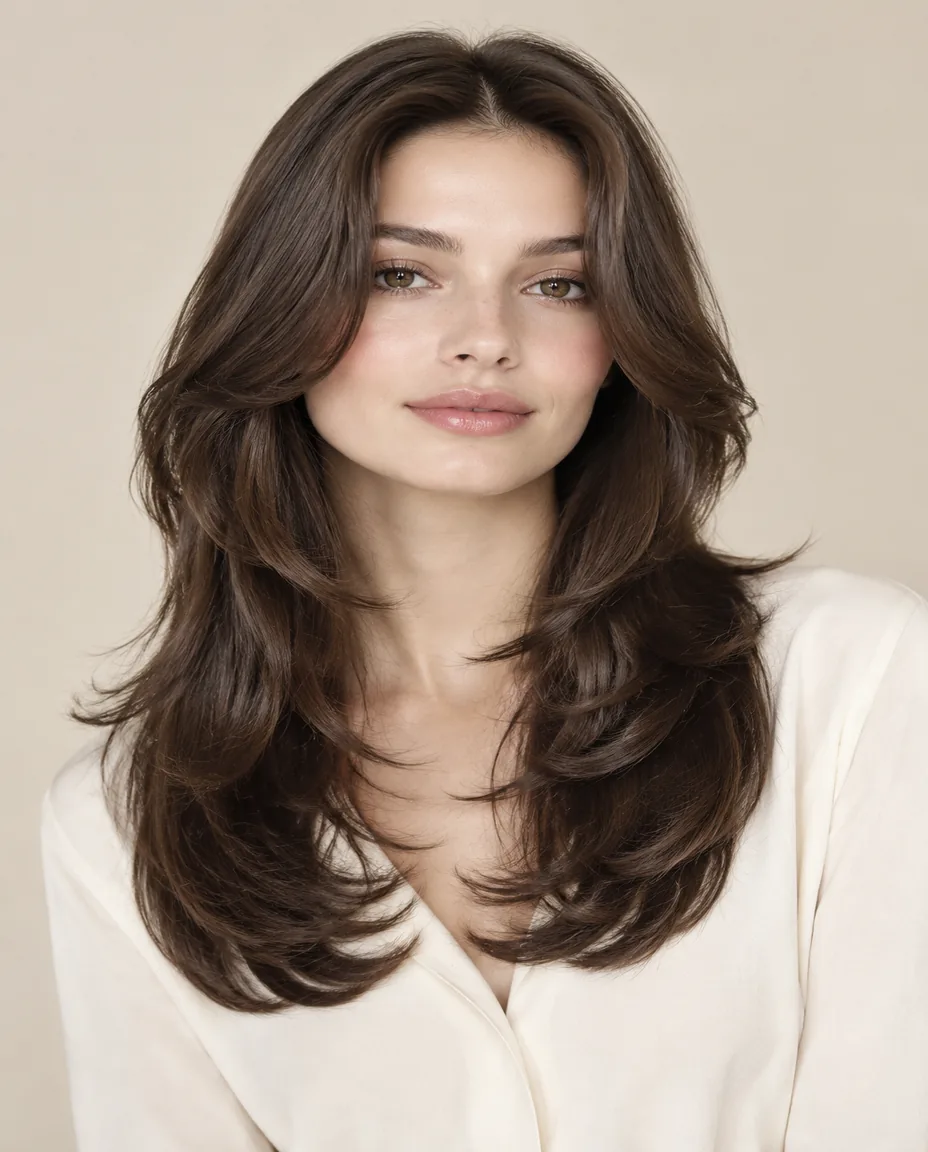
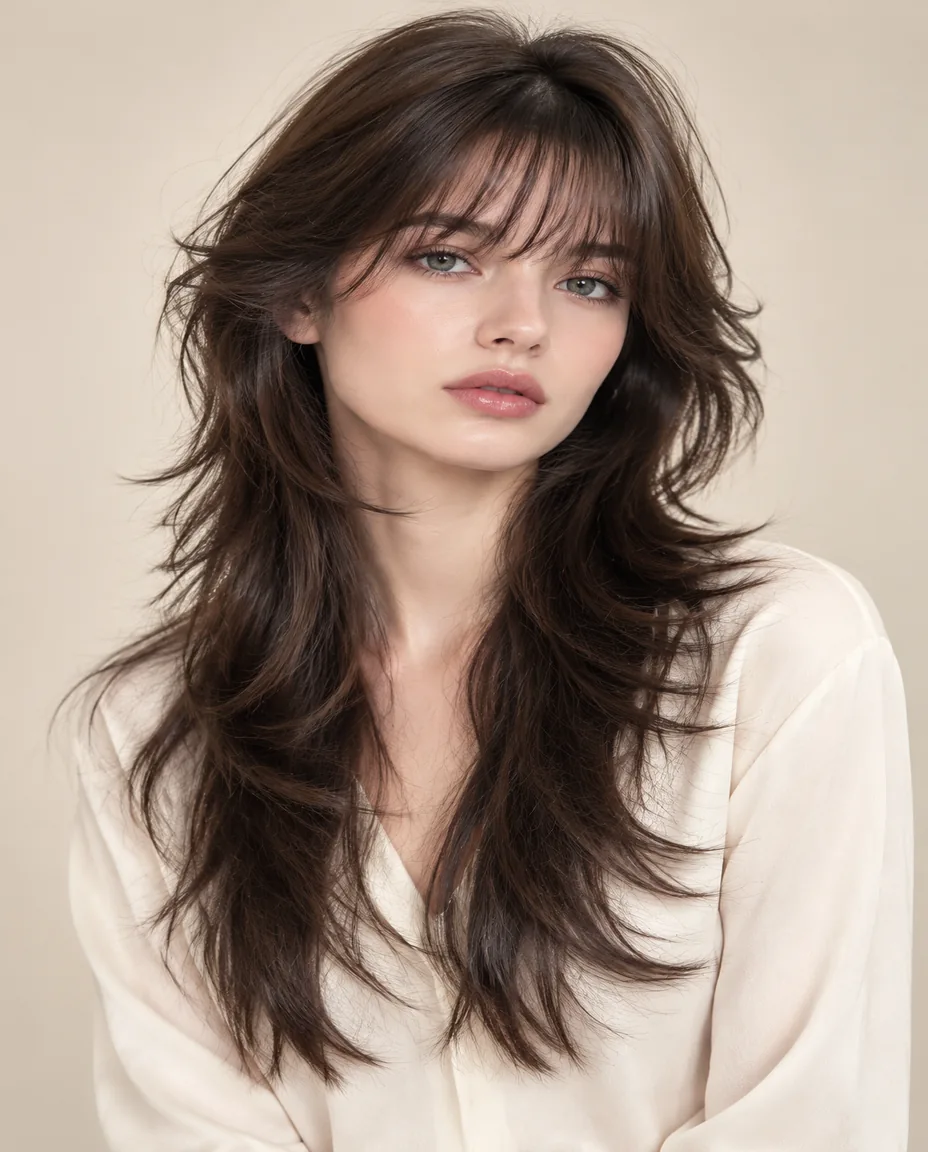
Butterfly cut vs wolf cutButterfly cutWolf cutLayered haircut comparison
4 min read
Quick answer
Which one should you try?
Choose the butterfly cut if you want to keep your length and only soften the front and the internal weight. Choose the wolf cut if you want visible volume at the crown and a choppier, more tapered shape through the ends.
- Main difference
- Where the volume sits: retained length with soft layers (butterfly) versus lifted crown volume with tapered ends (wolf)
- Length
- Butterfly keeps most of the length; a wolf cut can be short, classic or long
- Front
- Butterfly uses light face-framing pieces; a wolf cut usually pairs with airy wispy bangs
- Grow-out
- Butterfly grows out through soft layers; a wolf cut loses its taper first
The real difference is where the volume goes
A butterfly cut and a wolf cut are both layered, which is why they get compared — but they move the weight of the hair in opposite directions. A butterfly cut keeps the outer length long and puts the shortest layers around the face and collarbone, so the silhouette stays long and the front reads light. A wolf cut lifts volume at the crown and tapers the layers toward the ends, so the top of the shape is wider and the bottom is choppier.
That single difference explains almost everything else: how the outline reads, what happens as the cut grows out, and how much styling the shape needs. If you want the hair to look longer and softer, that is a butterfly cut. If you want the shape to look fuller and more textured, that is a wolf cut.
Butterfly keeps the length and softens the front. Wolf lifts the crown and chops the ends.
Butterfly cut vs wolf cut comparison
| Factor | Butterfly cut | Wolf cut |
|---|---|---|
| Where the volume sits | Kept long through the ends, light at the front | Lifted at the crown, choppy through the length |
| Shortest layer | Around the face and collarbone | Around the crown and the face |
| Ends | Soft, blended, with the length retained | Tapered, choppy, visibly textured |
| Typical front | Face-framing pieces, often a centre part | Airy wispy bangs skimming the eyebrows |
| Length options | Medium, long and extra long | Short, classic and long |
| How it reads | Softer, longer, more seamless | Fuller, more graphic, more textured |
| Styling effort | Mostly drying the front pieces outward | Needs crown volume and texture to hold the shape |
| Grow-out | Blends into soft layers | Loses the taper first and needs a trim sooner |
| Best for | Keeping length while making the front lighter | Wanting visible volume and a bolder outline |
Read the table by deciding which single line matters most to you. If it is “I want to keep my length”, the butterfly cut wins. If it is “I want more volume on top”, the wolf cut does.
Visual comparison
Compare both cuts on the same photo
Keep your portrait, color and part steady so the layer position is the only thing that changes.
Butterfly cut
Soft long layers with the length retained and a light face-framing front.
Try Butterfly cutFace shape, length and texture
Neither cut is reserved for one face shape, because both can be adjusted at the point that matters. For a butterfly cut that point is where the shortest face-framing piece starts: higher keeps the forehead open, lower frames the cheekbones more strongly. For a wolf cut it is how much volume the crown carries — more volume adds width at the top of the head, less keeps the shape closer.
Length changes the read as well. A butterfly cut at medium length keeps the smallest gap between the front layers and the ends, while at extra-long the layers stretch and the movement sits lower. A wolf cut at short length is at its most graphic; at long length the taper softens and the cut reads closer to a shag.
Texture decides how much styling each one needs. Straight hair has to be styled to hold crown volume, so the wolf cut asks more of it. Wavy or curly hair holds both shapes on its own, but the curl will add width that neither preview can measure on your real hair — read the preview for the cut's direction, then confirm density and shrink with your stylist.
Which one should you choose?
Choose the butterfly cut if you like your current length and want the front to feel lighter, the layers to blend, and the grow-out to stay soft. It is the lower-risk change of the two because the outer perimeter barely moves.
Choose the wolf cut if you want the shape itself to change: more volume on top, more texture through the length, and a bolder outline that reads immediately. It asks for more styling and more frequent trims to keep the taper, and it is the better choice when “more interesting” matters more than “more of the same, softer”.
If you are still torn, preview both on the same photo and look only at the top third of the shape. That is where the two cuts differ most.
Try both cuts on your own photo
Upload one clear portrait, keep the color and part steady, and switch between the butterfly cut and the wolf cut so the layer position is the only variable.
Compare both cuts on my photoWhat a preview can and cannot tell you
A preview compares the visible shape: where the volume sits, where the ends finish, and how the front pieces frame your face. It cannot tell you how much density you have at the crown, how your hair holds volume without styling, how much the curl will shrink, or how a stylist will interpret the reference on your hair. The card portraits and comparison figures on this page are editorial illustrations produced for WigTryAI — they are examples of each direction, not outputs from a real try-on and not photos of customer results.
Bring the preview you liked to the salon and describe the two things that separate these cuts: how much volume you want at the crown, and how much length you want to keep.
Related comparisons and guides
Not sure which shape suits your face?
Get structured recommendations for your own photo first, then come back and compare these two cuts with a shortlist in hand.
Get my hairstyle recommendationsFAQ
Is a butterfly cut the same as a wolf cut?
No. A butterfly cut keeps most of the length and puts the shortest layers around the face and collarbone, so the shape stays long and soft. A wolf cut lifts volume at the crown and tapers the layers toward choppy ends, so the shape reads fuller and more textured.
Which one is easier to grow out?
A butterfly cut usually grows out more gracefully because the outer length barely changes and the layers blend into the perimeter. A wolf cut loses its taper first as the layers grow, so it tends to need a trim sooner to keep the shape.
Does a wolf cut need more styling than a butterfly cut?
Yes, generally. A wolf cut depends on crown volume and texture, which usually means drying and product. A butterfly cut asks mostly for the front pieces to be directed outward while drying, so it is the lower-maintenance of the two.
Can I try both cuts on the same photo?
Yes. Upload one front-facing portrait, keep the color and part steady, and switch between the two cuts in the tool. Comparing them on the same face with the same light is the only way to see which layer position you actually prefer.
Which cut works better on straight hair?
The butterfly cut is usually easier on straight hair because it does not depend on volume holding at the crown. A wolf cut can work on straight hair too, but it needs styling to keep the lift and the choppy texture visible.