Short hair comparison
Bixie vs Lob: Open Neckline or Length You Can Pull Back?
A bixie puts short layers around the crown and nape; a lob keeps a bob-shaped perimeter near the shoulders or collarbone. Decide whether you want an open neckline or enough hanging length to tuck, clip and sometimes tie back.

Bixie vs lobShort hairShoulder-length haircut
4 min read
Quick answer
Make the tie-back decision first
Start with a lob if pulling your hair off your neck matters more than wearing a very short shape. Start with a bixie if you want the neck uncovered without tying anything up. A lob may reach a small ponytail depending on its exact length and front layers; a bixie generally needs clips, a headband or a change in styling instead.
That practical choice is different from the smaller step in bixie vs bob. A lob keeps enough length for the hair to fall past the jaw and interact with collars. A bixie changes the relationship between the crown, ears and nape, rather than simply moving a bob's ends upward.
Compare the Short Shape With the Longer Perimeter
Visual comparison
Bixie or shoulder-skimming lob?
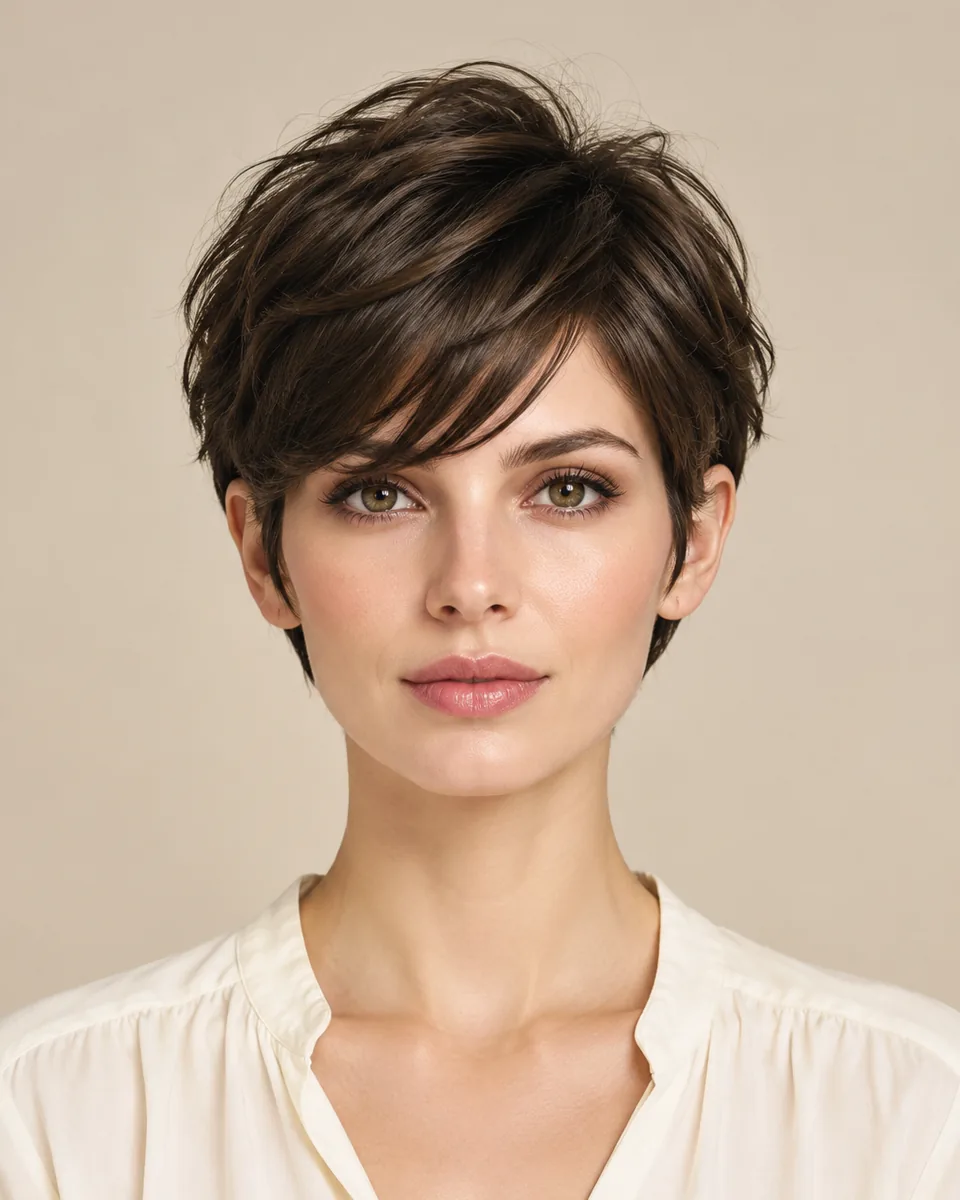
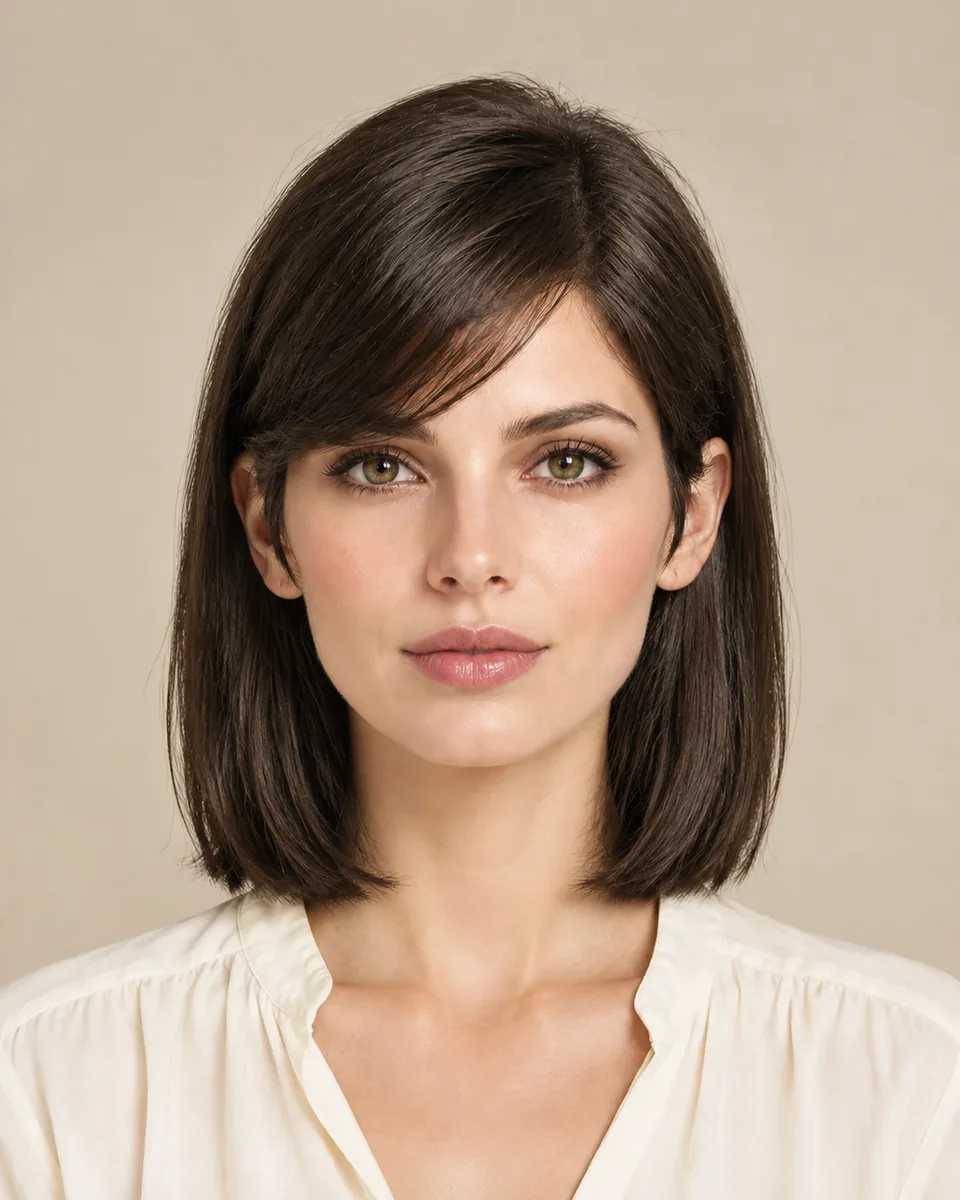
AI-generated editorial illustrations show the same model with comparable framing and color. They illustrate the two outlines, not actual customer results or a physical texture test.

What is a bixie?
A bixie combines a pixie's short, layered structure with some bob-like length. The exact proportions vary: some cover the ears, while others expose them and leave a longer fringe. The reference here is a cropped version with a side sweep. L'Oréal's bixie examples include asymmetric, shaggy and curly versions, which is why the name alone is not a cutting specification.
What is a lob?
A lob is a long bob, commonly ending around the shoulders or collarbone. It can have a blunt edge or restrained layers and can be straight, waved or curly. Unlike the bixie, its outline is built around hanging length. The bob vs lob guide focuses on where that longer endpoint sits.
Decision guide
The choices that change daily life
| Decision | Bixie | Lob |
|---|---|---|
| Neckline | Short hair exposes the neck without tying it up | Hair falls beside the neck; tying back depends on length |
| Face frame | Short side pieces and fringe carry the shape | Longer side sections extend past the jaw |
| Styling control | Crown and fringe direction are conspicuous | Part, ends and shoulder contact are conspicuous |
| Hair accessories | Small clips and headbands | Clips plus possible small ponytail or half-up style |
| Growing longer | Short layers must catch up with the perimeter | The existing outline can move below the collarbone |
| Maintaining the reference | Keep the nape and side proportions intentional | Keep the ends and face-framing lengths intentional |
Which Works With Your Density and Texture?
Fine hair: A lob with a substantial edge can preserve the appearance of full ends, but long, sparse tips may separate. A bixie avoids those longer tips, yet excessive crown texturizing can make the scalp more visible. Ask which lengths your density can actually support; shortening is not the same as creating density.
Thick hair: The lob retains weight, which may help length hang down but can feel bulky around the shoulders. A bixie removes hanging length; its shorter crown and sides still need a shape that avoids an unwanted outward shelf. Ask to see the back as well as the front in your reference.
Straight hair makes a bixie's layer lengths and a lob's perimeter easier to read. Wavy hair can put a bend beside the ear in a bixie or beside the jaw in a lob. Curly hair needs a dry-length discussion for both: a collarbone goal while wet can finish much higher, and a short crown can create a very different silhouette. A photo preview cannot calculate that change.
Face Framing: Check the Side of Your Neck
Look below the chin before judging the forehead. A bixie leaves space between the jaw and clothing. A lob fills more of that space with hair and lets the side pieces frame the face vertically. Neither belongs to a particular face shape; move the endpoint in your reference to see whether you prefer emphasis at the cheek, jaw or collarbone.
A side-swept fringe is a separate decision. If it is the only part of the bixie you like, you can discuss longer side framing on a lob instead of removing all the length. If you want an even shorter outline, bixie vs pixie is the next useful comparison.
Maintenance and Grow-Out Are Different Commitments
A bixie may involve less hair to dry, but bed-flattened crown pieces, a cowlick or a nape that has grown long can still need attention. A lob gives more length to redirect, while its ends may flip where they meet the shoulders. Choose based on the correction you are willing to do on an ordinary morning, rather than assuming short means easy.
Growing a bixie into a lob means waiting for short internal lengths as well as the outer edge. A stylist may reshape the back while the sides catch up. Growing a lob longer usually preserves more of its existing outline, though layers and damaged ends can still need adjustment. Neither process has a fixed timetable for everyone.
Bixie and Lob on the Same Face
Use a recent portrait that includes the top of the head, neck and shoulders. Open one reference button, upload your photo and create a preview; then return and use the other reference with the same portrait. These are separate generations. Compare neck exposure, side coverage and the endpoint first. Hair color and waves can otherwise distract from the length decision.
The reference hairstyle try-on carries the selected illustration into the tool. For a broader set of directions, use virtual hairstyle try-on. AI can suggest an outline, but it cannot tell whether a ponytail will physically hold, predict cowlick behavior or promise the same result from a haircut.

Which One Should You Choose?
Choose the bixie when a clear neck and a compact shape are the goal, and you accept managing short layers as they grow. Choose the lob when retaining side coverage and styling options matters more than making the hair feel cropped. Bring the chosen image to a stylist with one concrete instruction: either the amount of neck you want exposed or the shortest length you need to pull back.
FAQ
Can a lob always go into a ponytail?
No. A collarbone perimeter may reach a small ponytail while shorter front pieces escape; a shoulder-length version may not reach comfortably. Ask a stylist to check the actual tie-back point before cutting.
Is a bixie easier to maintain than a lob?
Not for everyone. A bixie has less hanging hair but makes crown direction and short regrowth more visible. A lob may take longer to dry while offering more ways to clip or tie the hair away.
Should fine hair be cut into a bixie or a lob?
Start with the density at your ends and crown. A restrained lob perimeter can look substantial, while a bixie may remove sparse length; too much texturizing can work against fullness in either cut. The reference needs adapting to your actual hair.
Can I grow a bixie straight into a lob?
You can grow toward a lob, but short crown and side layers do not become one length at the same time. Intermediate shaping can help the nape avoid becoming disproportionately long while the sides catch up.
Will the preview show whether my curls will shrink?
No. It shows a generated visual direction, not your real curl response to removing length or weight. Discuss the dry endpoint with a stylist familiar with your texture.