2026 hairstyle ideas guide
The 2026 Hairstyle Ideas Guide: Compare by Dimension
The 2026 hairstyle guide is organized by comparison dimension — style family, length, texture, and color — so you can change one variable at a time on the same portrait. It is an editorial comparison guide built from the available WigTryAI catalog, not a popularity ranking and not a statistical forecast.
2026 hairstyle ideasHair trends guideHairstyle comparisonHair color directions
3 min read
Quick answer
Change one dimension at a time on the same portrait
This 2026 guide compares hairstyle directions by four dimensions: style family, length, texture, and color. Start with a family you are drawn to, test it across lengths, keep the portrait and color steady, then compare texture and finally color. Every suggestion here is a comparison prompt — a starting point for previewing — not a ranking, a forecast, or a claim about popularity.
- Dimension 1
- Style family
- Dimension 2
- Length
- Dimension 3
- Texture
- Dimension 4
- Color
Reference photos show a style on someone else. A consistent virtual preview shows it on you — which is why this guide is organized for comparison, not for ranking.
This page is an editorial ideas guide. For measured aggregate behavior, see the 2026 AI Hairstyle Trends Report based on 10,000 completed generation events.
Style Families to Compare in 2026
Start with visibly different silhouettes and textures. Keep the selfie and color consistent so texture remains the main variable:
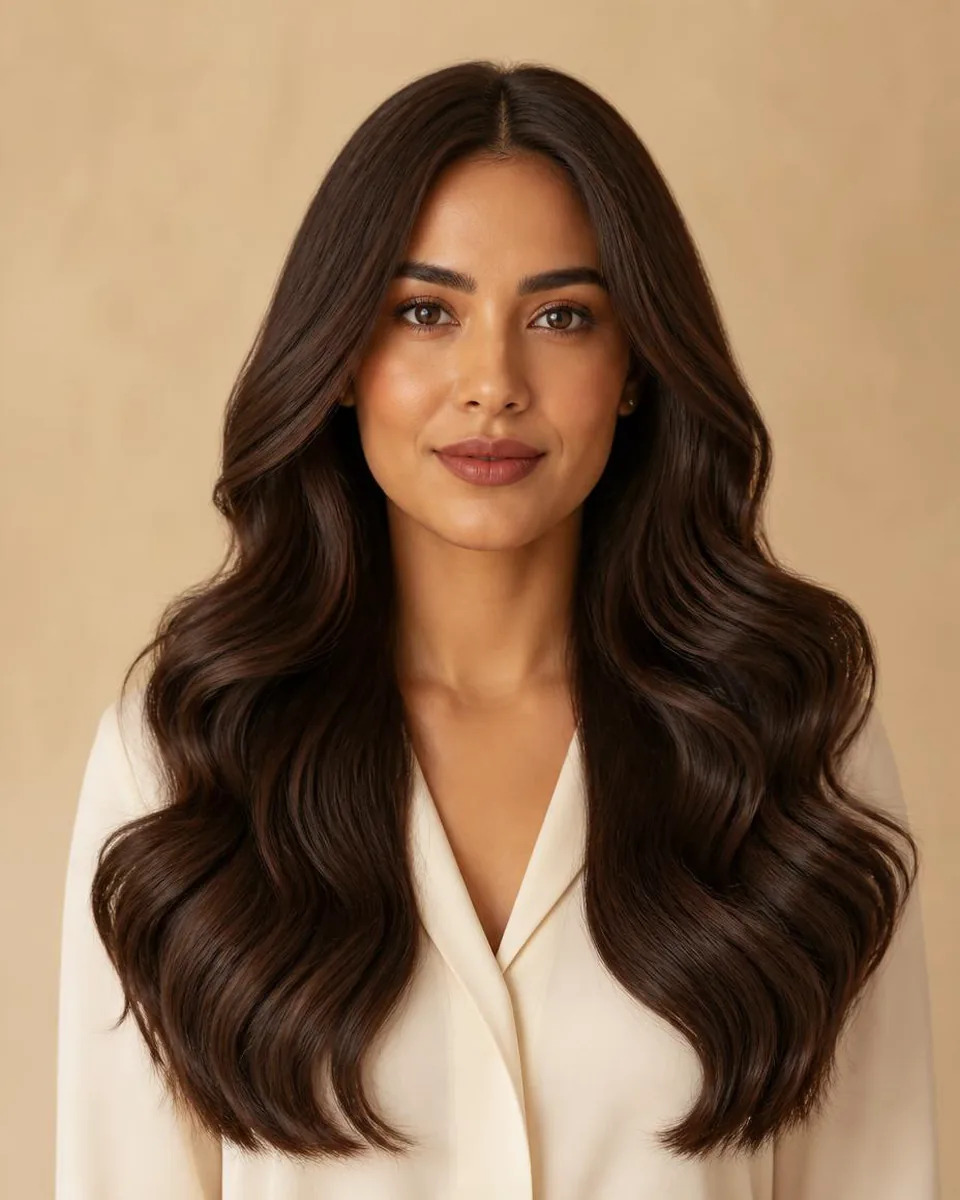
- Body wave — soft movement. Long, soft movement to compare against straight or tightly curled options. Try dark brown first.
- Bob — a clear length change. A chin-length bob creates a strong silhouette shift; compare blunt and textured versions to separate the cut from the texture.
- Loose wave — effortless aesthetic. A relaxed texture direction; compare it with body wave on the same photo before adding color.
- Butterfly cut — face-framing layers. Layer placement is the defining feature; focus on the cheek and jaw area.
- Water wave — defined texture. A useful contrast with loose and body-wave options at the same length and color.
Length Comparisons by Face Shape
Face-shape guides are starting points, not rules:
- Oval: compare long and medium first — the frame supports many proportions.
- Round: long and medium options create different vertical lines; compare where the volume begins and where the ends sit.
- Square: medium layers and shorter bobs frame the jaw differently; discuss exact endpoints with a stylist.
- Heart: chin- and shoulder-length options place weight at different points; use the same part and texture.
- Diamond: medium lengths with bangs or a lob endpoint test different framing around the forehead, cheekbones, and jaw.
2026 Color Directions
Compare color only after choosing a promising shape and texture:
- Dark brown — a neutral baseline. Useful for shape and texture comparison before moving lighter or more saturated.
- Natural black — strong contrast. Compare with dark brown on the same style to judge whether deeper tone changes the balance.
- Honey blonde — warm light. A warmer light option; compare with a darker baseline on the identical hairstyle.
- Chocolate brown — depth with warmth. A useful same-style comparison against dark brown or natural black.
- Burgundy — saturated direction. A visibly different red-purple; treat the preview as color inspiration, not a dye formula.
A Practical AI Preview Workflow
Use previews as a structured comparison aid:
- Compare clearly different looks. Start with a few distinct silhouettes rather than tiny variations.
- Share promising results. A saved preview helps a friend or stylist react to a concrete direction; keep the original photo available for context.
- Inspect face framing separately. Look at the hairline, side part, cheek area, and jaw before judging color.
- Keep it low-commitment. A first preview lets you explore dramatically different directions — pixie vs body wave, black vs blonde — before committing to anything.
2026 Style Directions to Explore
These are editorial exploration prompts, not measured forecasts:
- The return of the bang. Curtain bangs and wispy fringe create different forehead and cheek framing; compare both before changing the base length.
- Textured over sleek. Compare wave, curl, and straight at the same length to see how volume changes the silhouette.
- Mid-length sweet spot. Medium lengths give a practical contrast between short bobs and very long styles.
- Color with depth. Balayage and face-framing highlights offer dimensional alternatives; exact placement belongs in a stylist consultation.
- Virtual try-on as standard. An AI preview is one input before a haircut or wig decision, alongside condition, maintenance, fit, and professional advice.
Run the dimensional comparison
Pick a family, test lengths, keep the color steady, then add texture and color — one dimension at a time on the same portrait.
Try trending stylesFAQ
Are these 2026 hairstyle ideas popularity rankings?
No. This is an editorial comparison guide built from the available WigTryAI catalog. It does not claim measured search volume, user popularity, or salon demand.
How is this hairstyle guide updated?
The guide can be revised when the product catalog or comparison advice changes. Any future quantitative claim should include a defined dataset, date range, sample size, and limitations.
Can I reference these ideas in my own article?
Yes, with a link to this page and a clear description that it is an editorial hairstyle comparison guide, not a statistical trend dataset.
Does this guide predict salon results or bookings?
No. AI previews and editorial suggestions do not predict bookings or guarantee a haircut, wig fit, texture, or color result. Use them as inspiration for a professional conversation.
How can I preview these trending styles on my own photo?
Visit wigtryai.com, upload a clear front-facing selfie, and explore any of the styles mentioned in this report — free, instant, and no app required.