
Curly vs wavy comparison
Curly vs Wavy Hair: Texture, Volume, and Maintenance Compared
Curly hair closes into spirals or ringlets and pushes the outline outward. Wavy hair stays open in S-shaped bends that lie closer to the head. The useful choice is about the silhouette you want: more volume and definition, or softer movement that reads closer to straight.
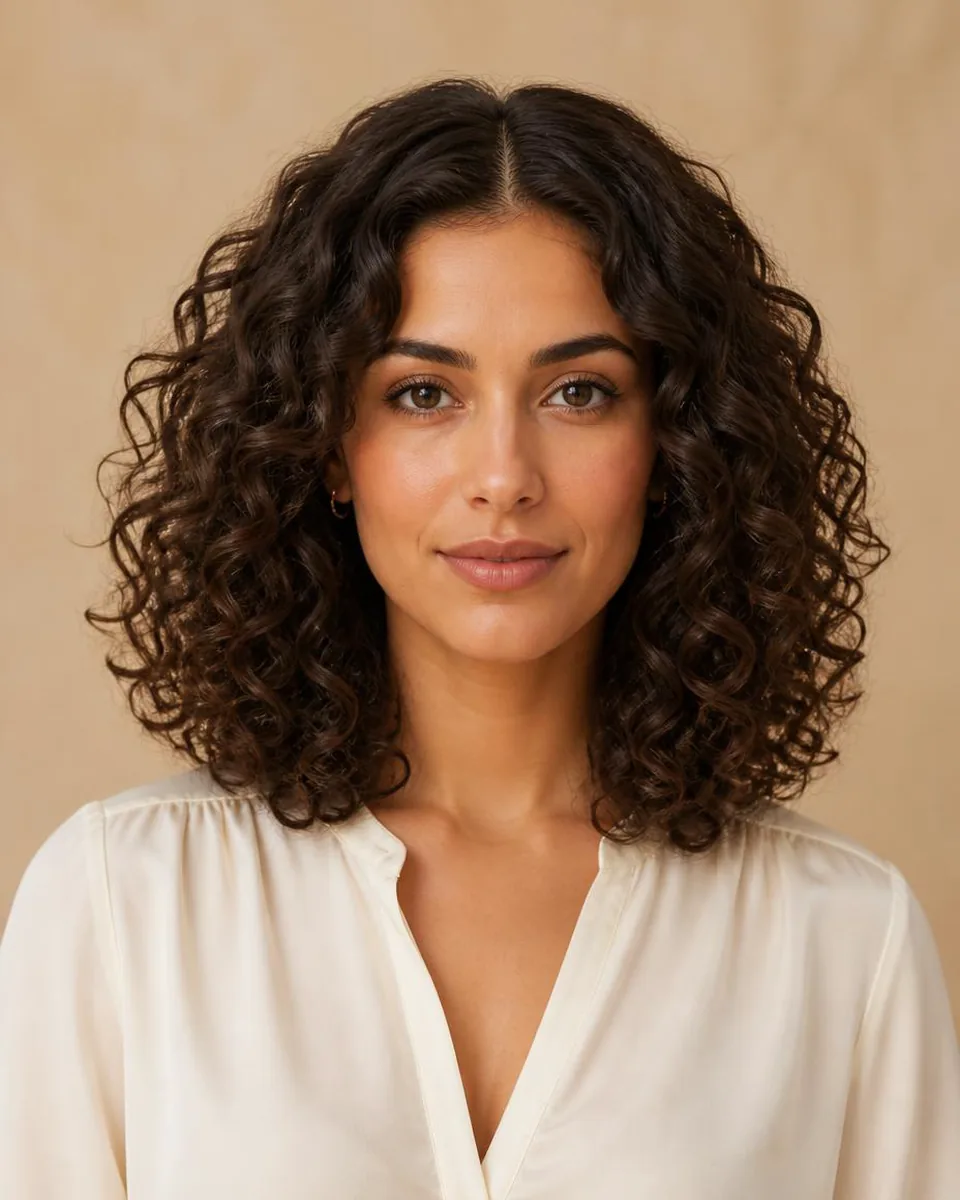
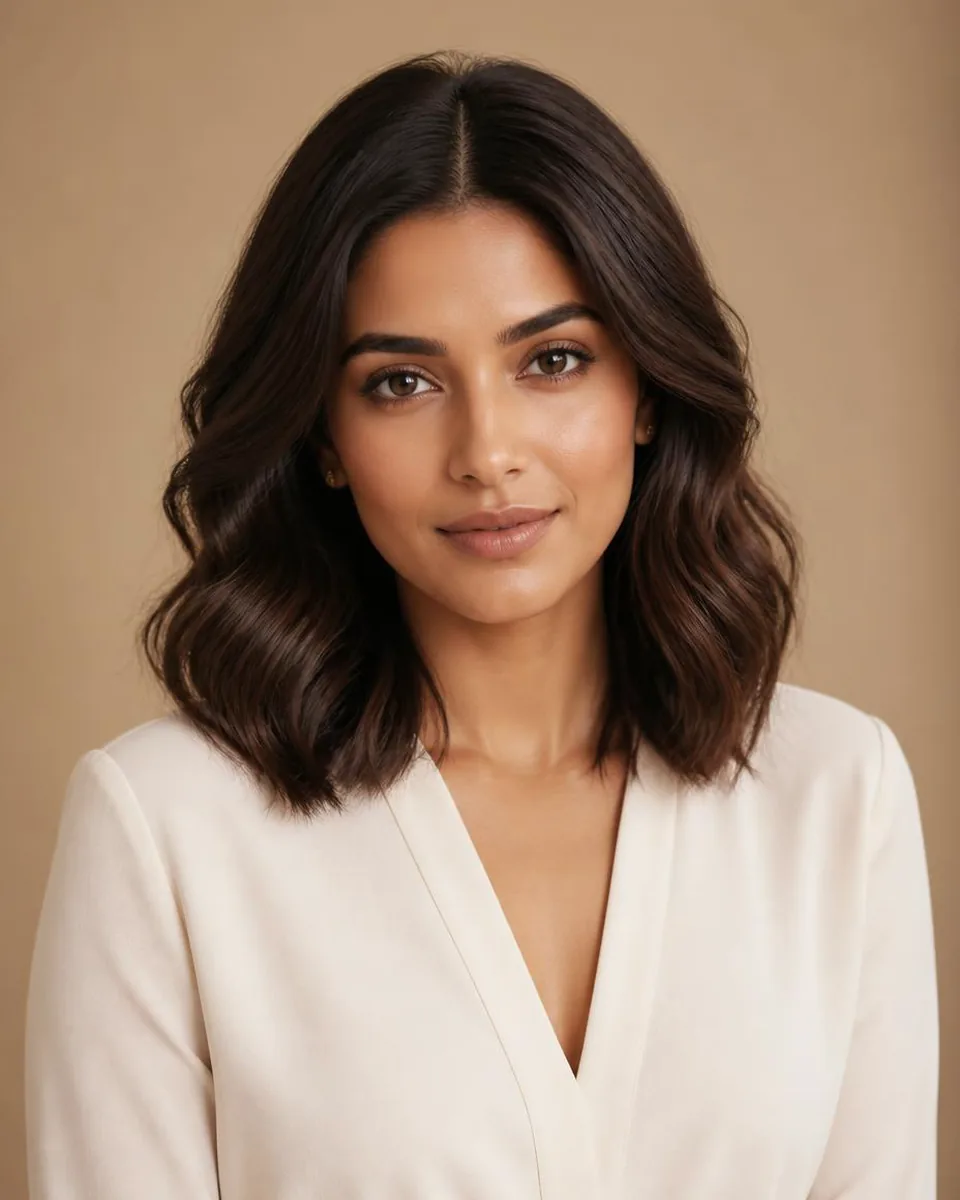
Curly vs wavyCurly hairWavy hairTexture comparison
3 min read
Quick answer
Curly widens, wavy flows
Curly hair forms defined spirals or ringlets that close into a 3D shape, adding visible width and height. Wavy hair forms open S-shaped bends that lie closer to the head, adding gentle movement without dramatically changing the silhouette. Choose curly when you want volume and definition; choose wavy when you want soft movement that still reads close to straight.
- Curly
- Spirals or ringlets that close, more width and height
- Wavy
- Open S-bends that flow, moderate volume
- The deciding variable
- How much outward silhouette you want
See the Difference on the Same Person
Visual comparison
Same length, same color, two textures
These references keep the model, length, and shade consistent so the pattern is the only variable. Compare the outer width and how much the outline moves.
Curly
Defined spiral or ringlet shapes that close, with the silhouette pushing outward through the mid-lengths.
Wavy
Open S-shaped bends that stay closer to the head, with a narrower, more flowing outline.
Curly vs Wavy: The Comparison
Decision guide
Read the pattern instead of the label
These five cues separate the two families on the same photo.
| Cue | Curly | Wavy |
|---|---|---|
| Pattern | Spirals, ringlets, or coils that close | Open S-shaped bends that flow |
| Definition | Individual curl groups stand out | Sections flow together |
| Outer volume | Usually more expanded, wider silhouette | Moderate, closer to the head |
| Length reading | More affected by shrinkage | Downward and flowing |
| Face frame | Adds width, softens angular lines | Keeps a narrower frame, gentle movement |
Texture and Definition
The structural difference is whether the pattern closes. Curly hair forms defined spirals or ringlets with a distinct three-dimensional shape; the sections loop back on themselves. Wavy hair forms gentle S-shapes that lie closer to the head, reversing direction without completing a loop. That single difference changes surface texture, outer volume, and how much length appears to shrink.
Volume and Face Framing
Curly hair adds significant width and height, which makes it useful for balancing faces that want more volume at the sides — heart and diamond shapes often benefit from the expanded lower silhouette. Wavy hair adds gentle movement without dramatically changing the silhouette, which keeps a narrower frame and suits people who want interest without width. The right choice depends on the frame you want, not on a rule.
Maintenance Reality
Curly hair is generally higher maintenance in the daily routine: it needs curl-defining products, careful detangling with fingers or a wide-tooth comb, and the pattern is sensitive to humidity and sleep. Wavy hair is more forgiving — finger-combing is often enough, and the relaxed pattern reads intentionally even when slightly messy. Neither is "better"; they cost different amounts of daily effort.
Which Texture for Which Occasion?
Curly hair demands attention and reads bold, which suits statement events and creative settings. Wavy hair sits between straight and curly — versatile enough for professional and everyday settings while still adding movement. If the occasion mix is mostly everyday, wavy usually costs less effort; if you want the texture itself to be the statement, curly delivers it.
Choose Curly When You Want Volume
Pick curly when the goal is visible definition and a fuller silhouette. Curly works well when you want the hair itself to be the statement, when your face frame benefits from added width, or when you are ready for the product and detangling routine that keeps curls defined.
Choose Wavy When You Want Flow
Pick wavy when the goal is soft movement without a dramatic silhouette change. Wavy works well when you want an everyday texture with lower maintenance, when your face frame benefits from a narrower outline, or when you want length to read as flowing rather than expanded.
Compare Both Without Changing Everything Else
- Use a front-facing portrait that shows the hairline, shoulders, and upper chest.
- Preview curly and wavy at the same length in the same color.
- Compare the outer width: how far the silhouette extends past the face.
- Check where the ends land, since curly shrinkage makes dry length read shorter.
- Compare how each texture frames the cheeks, jaw, and shoulders.
- Keep part and color steady while you test, then save two favorites.
- Use Compare Hairstyles to review them together.
See the width difference on your face
One selfie is enough: compare medium curly and medium wavy in the same dark shade, then decide which silhouette you actually want.
Compare curly and wavyWhat a Preview Cannot Tell You
An AI preview can compare pattern scale, outer volume, endpoint, and face framing. It cannot predict your hair's real curl or wave behavior — density, shrinkage, frizz, styling hold, or how a product performs. For wigs, it cannot tell you fiber, processing, or how the pattern changes after washing. Use the preview to choose a visual direction, then verify details with the seller or a stylist.
FAQ
What is the difference between curly and wavy hair?
Curly hair forms spirals or ringlets that close into a 3D shape, adding visible width. Wavy hair forms open S-shaped bends that stay closer to the head. The deciding difference is whether the pattern closes and how much the silhouette expands.
Which is better for my face shape — curly or wavy?
It depends on the frame you want. Curly adds width and height, which can balance faces that want more volume at the sides; wavy keeps a narrower silhouette with gentle movement. Preview both on your own photo and compare the outer width.
Can wavy hair become curly?
Wavy hair can be styled into curls with heat tools or curl-defining techniques, and curly hair can be styled smoother. The result depends on the starting texture, products, and method — a preview shows the direction, not the exact hold.
Which is easier to maintain, curly or wavy?
Wavy is usually more forgiving day to day — finger-combing and light product are often enough. Curly typically needs curl-defining products, careful detangling, and more humidity and sleep protection to keep the pattern defined.
Can I preview curly and wavy styles on my photo?
Yes. Use WigTryAI to upload a clear selfie and preview curly and wavy directions at the same length and color before deciding.
Why does curly hair look shorter than wavy at the same length?
Shrinkage. Dry curls sit shorter than their stretched length, while waves flow downward with less contraction. Judge where the ends land in the preview rather than comparing lengths by the name.
How should I compare the two textures fairly?
Keep the same photo, length, color, and part. Compare the outer width, where the ends land, and how much of the face the sides cover — those are the visible differences the pattern creates.