
Wig cap construction guide
Wig Cap Types Explained: Which One Is Right for You?
The wig cap is the foundation of the look: it determines comfort, realism, styling flexibility, and how much the wig costs. This guide explains every major cap type in plain language so you can match the construction to your needs, then preview the style on your photo before deciding.
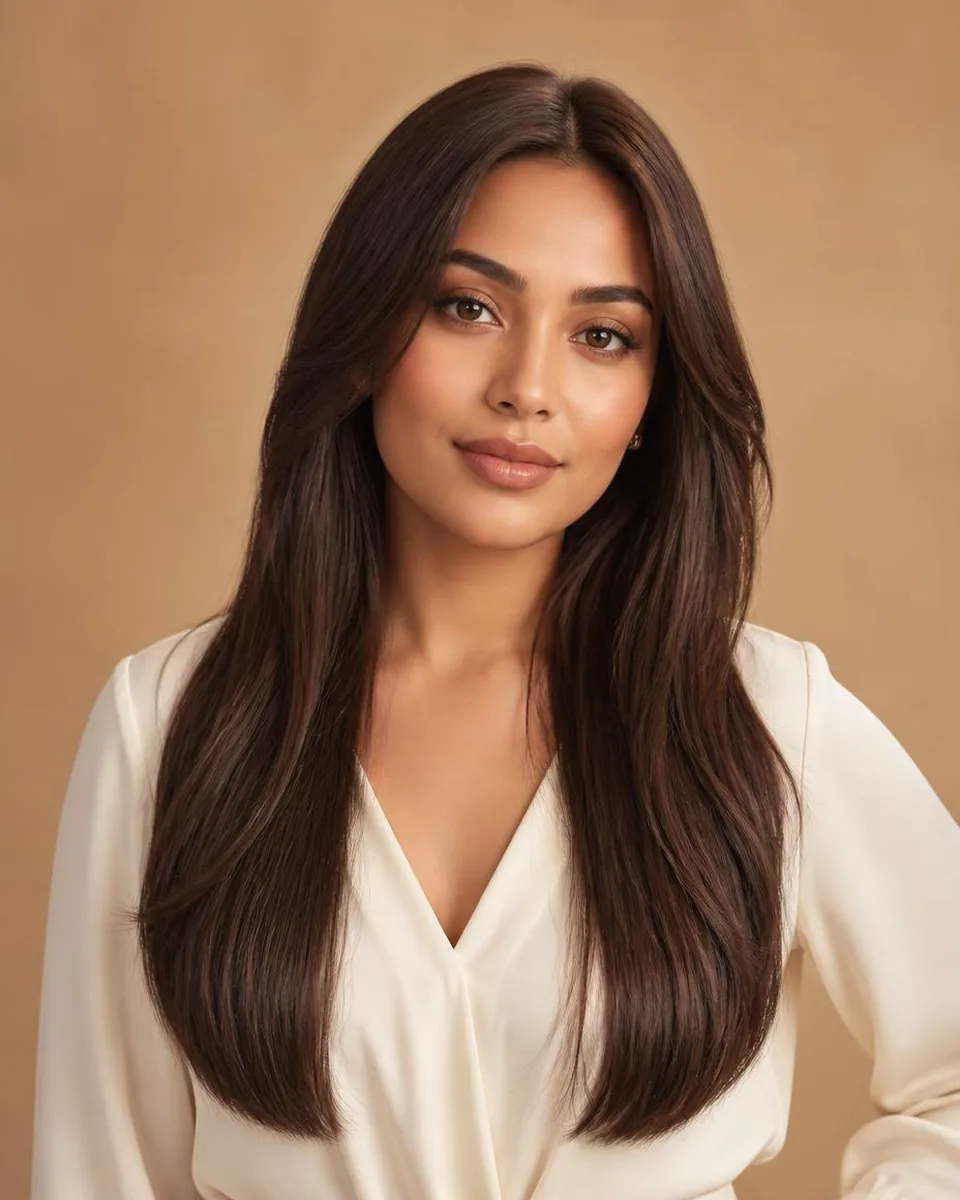
Wig cap typesLace front wigFull lace wigMonofilament wigWig construction
4 min read
Quick answer
Lace front is the everyday answer; full lace is the styling answer
For most people, a lace front cap (13x4) offers the best balance of a natural-looking hairline, affordability, and ease of use. Choose a monofilament cap when you want a natural parting. Choose full lace or 360 lace only when you specifically need updos, ponytails, or styling in every direction. The cap type is invisible from the outside — what people see is the style, so preview the hair direction on your face first.
- Everyday balance
- Lace front cap (13x4)
- Natural parting
- Monofilament crown
- Full styling freedom
- Full lace or 360 lace
The wig cap is the most important construction decision in wig selection — and the one beginners know the least about. This guide explains every cap type in plain language and matches each one to the needs it serves best.
Cap Types at a Glance
Decision guide
Six cap constructions in one table
Use the tradeoff column to match the cap to what matters most to you.
| Cap type | What it is | Best for | Tradeoff |
|---|---|---|---|
| Basic wefted cap | Machine-sewn wefts attached to a closed lace base | Most affordable option; a starting point | Limited parting, less natural hairline |
| Lace front cap (13x4 / 13x6) | Sheer lace panel at the front hairline with hand-tied hairs | Natural hairline at a moderate cost | Lace panel limits updos; back remains wefted |
| Monofilament cap | Fine mesh at the top with individually hand-tied hairs | A natural-looking parting in any direction | Premium feel at a higher cost |
| Full lace cap | The entire cap is hand-tied lace | Most natural look from every angle and full styling freedom | Highest cost and more delicate construction |
| 360 lace cap | Lace around the full perimeter with a wefted center | Ponytails and active styling with a natural edge | More lace to maintain than a lace front |
| Hand-tied cap | Every hair hand-tied to a soft mesh cap | Maximum comfort and natural hair movement | Most expensive and most delicate |
The Six Main Cap Types
Basic wefted cap
A wefted cap is made from machine-sewn rows of hair attached to a closed base. It is the most affordable construction and the most durable for everyday wear. The tradeoffs are limited parting options and a less natural-looking hairline, since the hair is not individually placed.
Lace front cap (13x4 / 13x6)
A lace front cap has a sheer lace panel at the front hairline, where hairs are hand-tied one by one. This creates a natural-looking hairline without the cost of a full lace cap. The numbers 13x4 and 13x6 describe the lace panel size in inches: 13 inches is the ear-to-ear width, and the second number is the front-to-back depth. The 13x6 panel sits deeper and allows a slightly higher parting; the 13x4 is the common everyday choice.
Monofilament cap
A monofilament cap uses a section of fine mesh at the top, usually the crown, where each hair is hand-tied individually. This allows you to part the hair in any direction and have the parting look like real scalp. Monofilament construction is a good upgrade when natural parting matters more to you than the hairline.
Full lace cap
A full lace cap is made entirely of hand-tied lace, so the hair looks natural from every angle and can be styled in any direction — including updos and ponytails. It is the most realistic construction and the most flexible, at the highest cost and with a more delicate structure that needs careful handling.
360 lace cap
A 360 lace cap places lace around the full perimeter of the head with a wefted center. It sits between lace front and full lace: you get a natural edge all around and can pull the hair into ponytails, while the wefted center keeps the cost and weight lower than full lace.
Hand-tied cap
In a hand-tied cap, every hair is tied to a soft mesh base by hand. The hair moves freely in every direction and the cap is extremely comfortable, which makes it the premium choice for people who prioritize natural movement and all-day comfort.
Cap Materials Explained
The material changes comfort, durability, and how invisible the cap is against the skin.
- Swiss lace is the finest and most delicate lace, nearly invisible against the skin, and is the standard for HD lace fronts and full lace caps.
- French lace is slightly thicker than Swiss lace but more durable, and still looks natural when applied correctly.
- Monofilament mesh is a fine, breathable mesh used at the crown for natural-looking parts; it is more durable than lace but slightly less invisible.
- Wefted material is machine-sewn and attached to a stretchy base — the most affordable and durable option, found in basic caps.
The right material depends on the balance you want between invisibility, durability, and cost. There is no single best material for everyone.
Choosing by Your Needs
- Most affordable option: a basic wefted cap, or a lace front in a synthetic fiber when you want a natural hairline at a lower cost.
- Most natural look: a full lace cap in human hair — invisible hairline, natural scalp at the part, and realistic movement.
- Easiest for beginners: a lace front cap (13x4) — forgiving to apply, straightforward to maintain, and natural-looking.
- Hot weather: an open wefted or capless construction maximizes airflow and keeps the scalp cooler, with less coverage as the tradeoff.
- Active lifestyle: a 360 lace cap with a wig grip stays secure during movement and allows ponytails.
Styling Freedom Depends on the Cap
The cap type determines what you can do with the hair. Bob styles sit well on lace front caps because the short length means less weight pulling on the lace. Longer styles with movement — body wave and deep wave — benefit from the natural fall of full lace caps. If you want updos, ponytails, or braids pulled away from the face, only 360 lace and full lace allow that.
Preview the Style, Not the Cap
The cap construction is invisible from the outside — what people see is the style, length, and color on top. No matter which cap type fits your needs, the style decision comes first. Preview bob, body wave, braids, and color directions on your own face, then choose the cap that supports the way you want to wear them.
Choose the style before the cap
Upload one selfie and compare the wig-inspired directions you would actually wear — then match the cap type to that styling freedom.
Preview wig stylesFAQ
What is the best wig cap type for a natural look?
Full lace caps offer the most natural look from every angle, but a well-applied lace front cap can look just as natural at the hairline for everyday wear at a lower cost. Choose by where you need the realism — hairline only, or every direction.
What do 13x4 and 13x6 mean for wig caps?
These numbers describe the lace panel size in inches. 13 inches is the ear-to-ear width, and the second number is the front-to-back depth: 4 inches for a 13x4 and 6 inches for a 13x6. A deeper panel allows a higher parting.
Are hand-tied wigs worth the extra cost?
Hand-tied construction gives the most natural hair movement and a very comfortable fit because every hair is individually tied. It is worth it when natural movement and comfort are your top priorities; the tradeoff is higher cost and more delicate construction.
Can I see how different wig caps look on me?
The cap construction itself does not change how the wig looks from the outside — the style, length, and color do. Preview those on your own photo, then choose the cap type that supports how you want to wear the style.
Which wig cap is best for summer and hot weather?
Capless or open-wefted caps offer the best ventilation, and 360 lace caps also provide airflow while keeping a natural edge. Expect less coverage in exchange for the cooler feel.
What is the difference between a lace front and full lace cap?
A lace front cap has lace only at the front hairline, with a wefted back, which limits updos. A full lace cap is lace all over, so the hair looks natural from every angle and can be styled in any direction, at a higher cost.
Do I need full lace for ponytails and updos?
Yes. Pulling the hair away from the face requires lace around the perimeter, so choose 360 lace or full lace if updos and ponytails are part of your routine.